Research
We answer big questions and drive innovation.
Tackling Real-World Problems
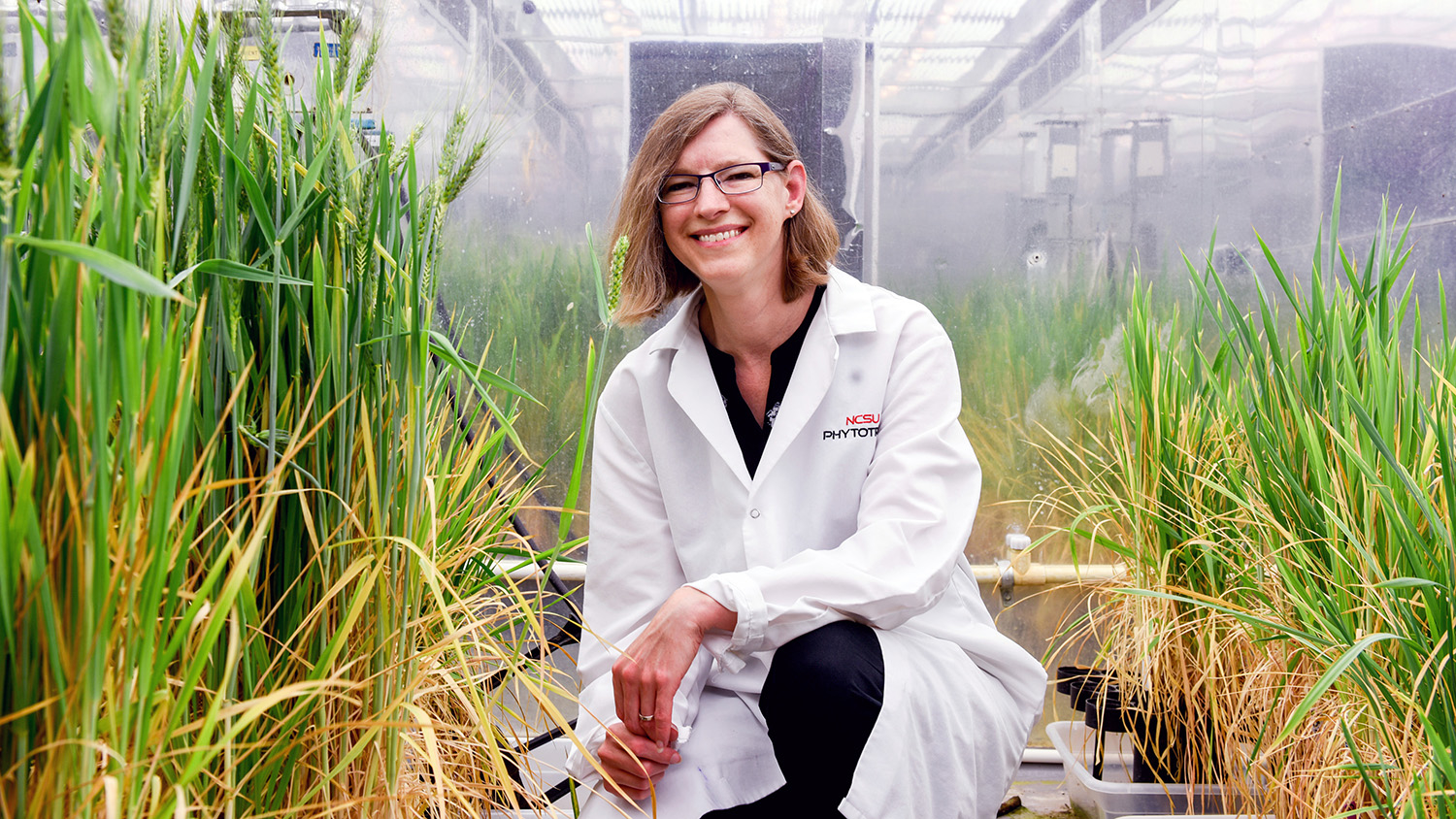
We strive to advance basic understanding of fundamental questions in biology and meet applied needs in fields such as genetically modified plants, sustainable biofuel production, environmental pollution, and endangered species conservation.
Our research covers a broad range of disciplines, including cell and molecular biology, ecology and evolutionary biology, ethnobotany, and microbiology. And our faculty are nationally and internationally recognized for their work.
We believe in the power of collaborative research, and many of our research projects engage faculty from throughout the university.
Cell and Molecular Biology
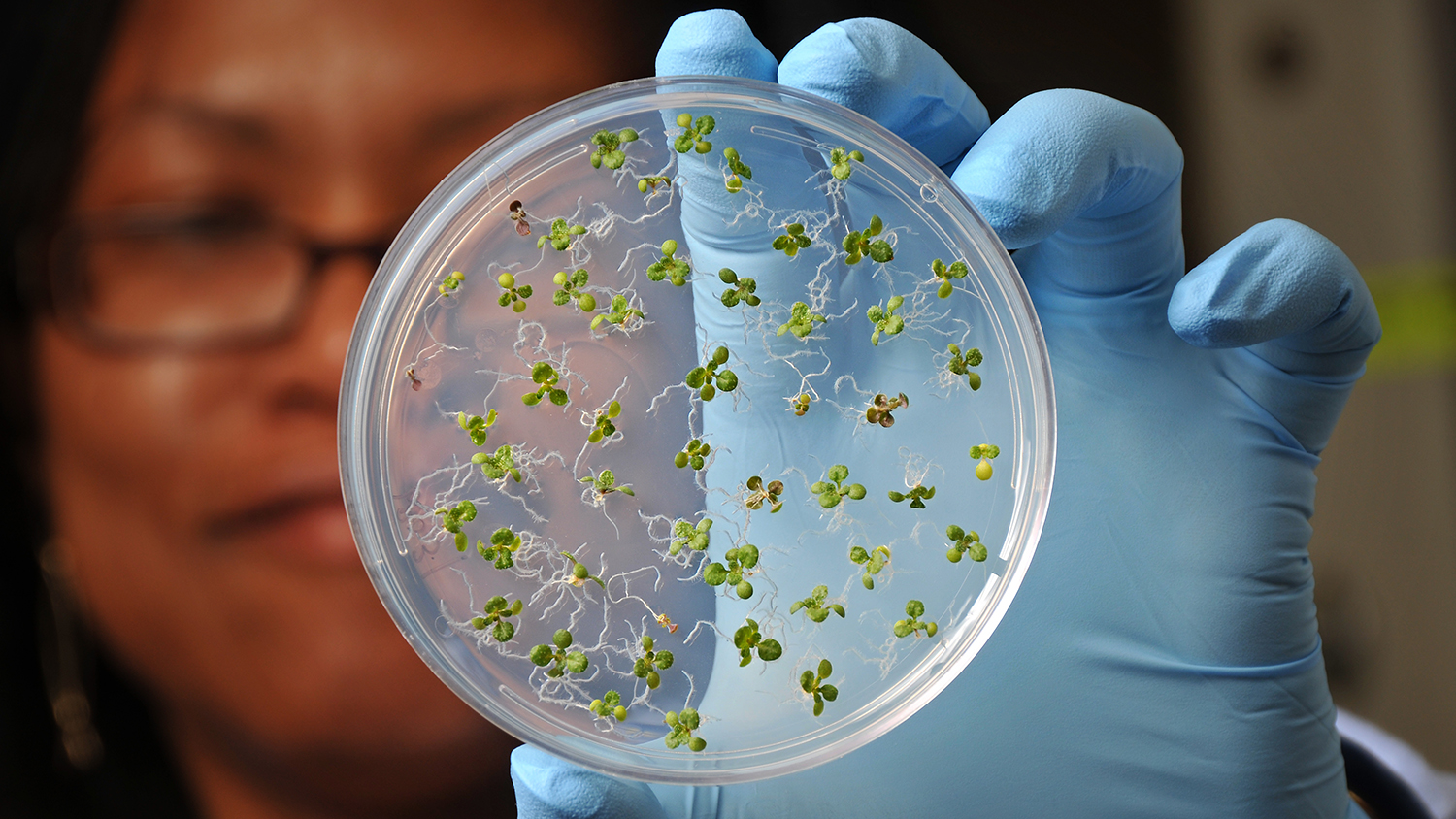
Cellular and molecular biology of plants and microbes is a major focus area for the department, with a large portion of our faculty engaged in this research area.
Their projects cover a range of topics, including plant cell biology, development and structure; plant and microbe molecular biology; biochemistry, phytochemistry, metabolomics and proteomics; genetics, genomics and systems biology; genetic engineering of plants and microbes; biotechnology and bioprocessing; and plant-microbe interactions.
Cell and Molecular Faculty Researchers
- Jose Alonso
- Orlando Arguello-Mirando
- Larry Blanton
- Jose Bruno-Barcena
- Sue Carson
- Mallory Choudoir
- Bob Franks
- Amy Grunden
- Candace Haigler
- Linda Hanley-Bowdoin
- Tzung Fu Hsieh
- Xu Li
- Terri Long
- Zhe Lyu
- Imara Perera
- Marcela Rojas-Pierce
- Heike Sederoff
- Ross Sozzani
- Anna Stepanova
- Bill Thompson
- Cranos Williams
- Deyu Xie
Ecology and Evolutionary Biology
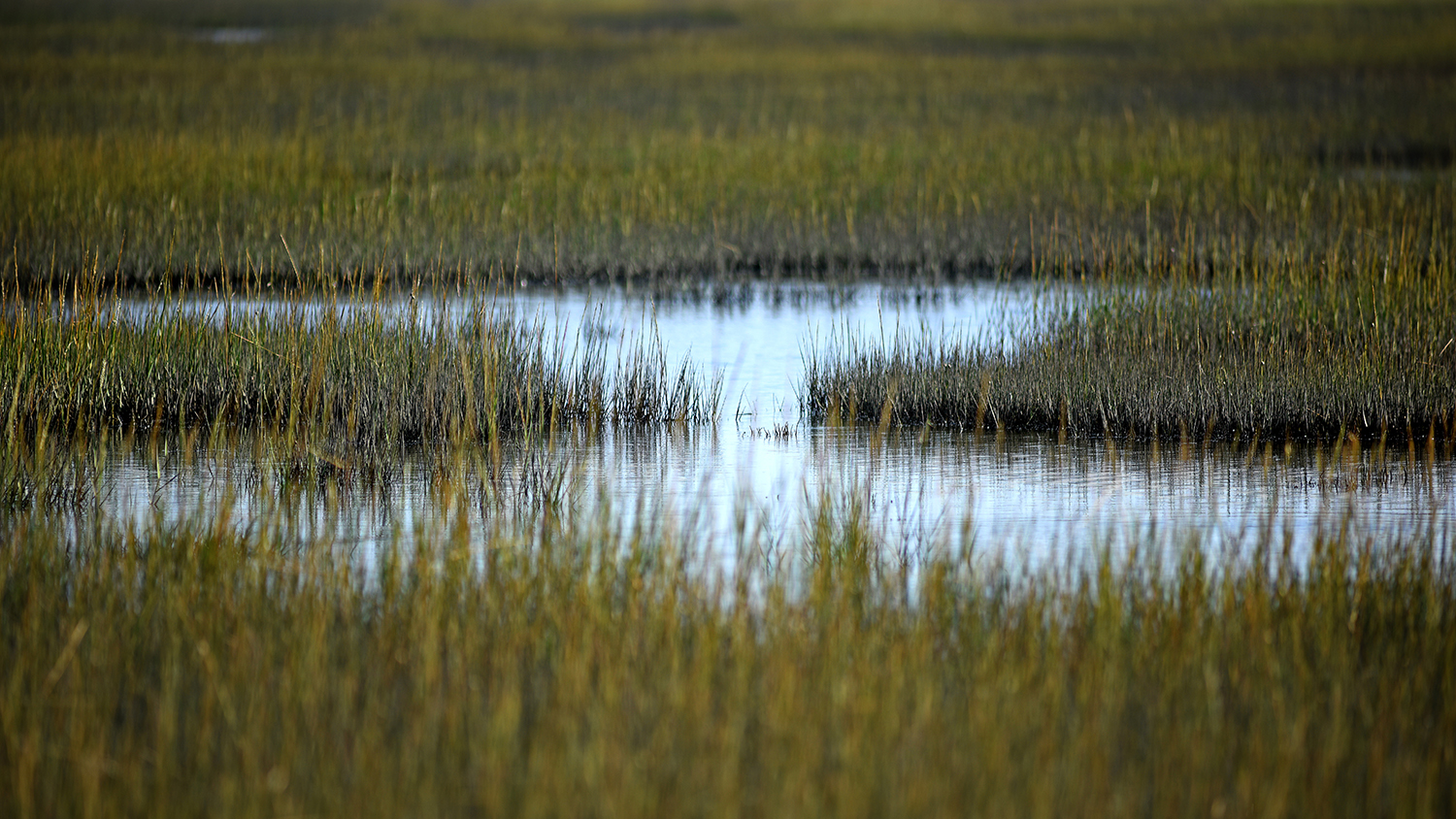
Our department currently has seven faculty members who focus on research in plant ecology and evolutionary biology. These faculty members are conducting research in systematics at both the molecular and morphological levels; phylogeny, biogeography, and evolution; tropical, aquatic, and community ecology; evolutionary, physiological, and global change ecology; and ecology of plant-microbe interactions.
Microbiology
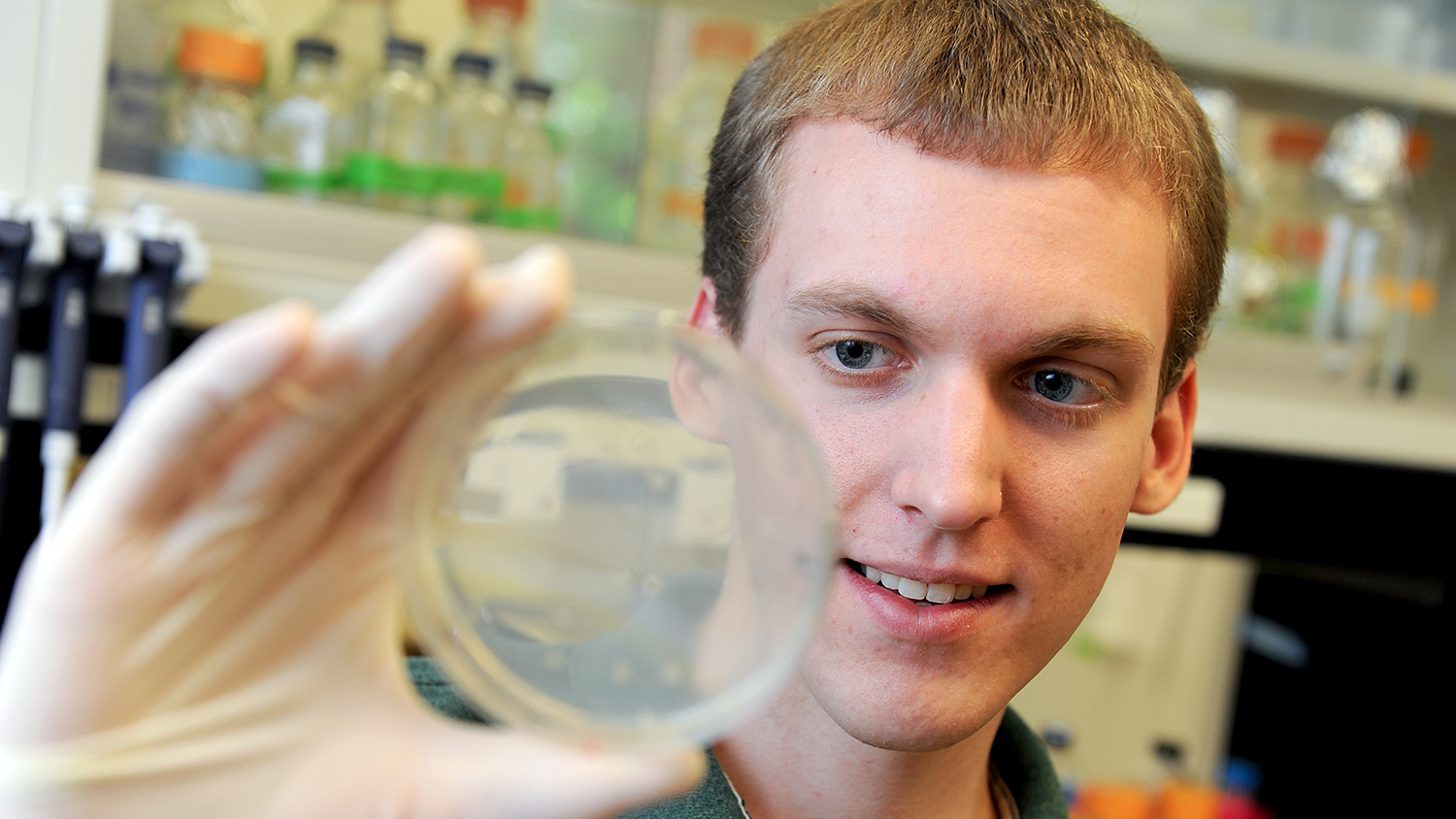
We also have faculty members are involved in microbiology research, focusing on such areas as microbial biotechnology; bioremediation; microbial metabolism, genomics and proteomics; bacteriophage; extremophiles; and plant-fungal and plant-virus interactions.
Ethnobotany
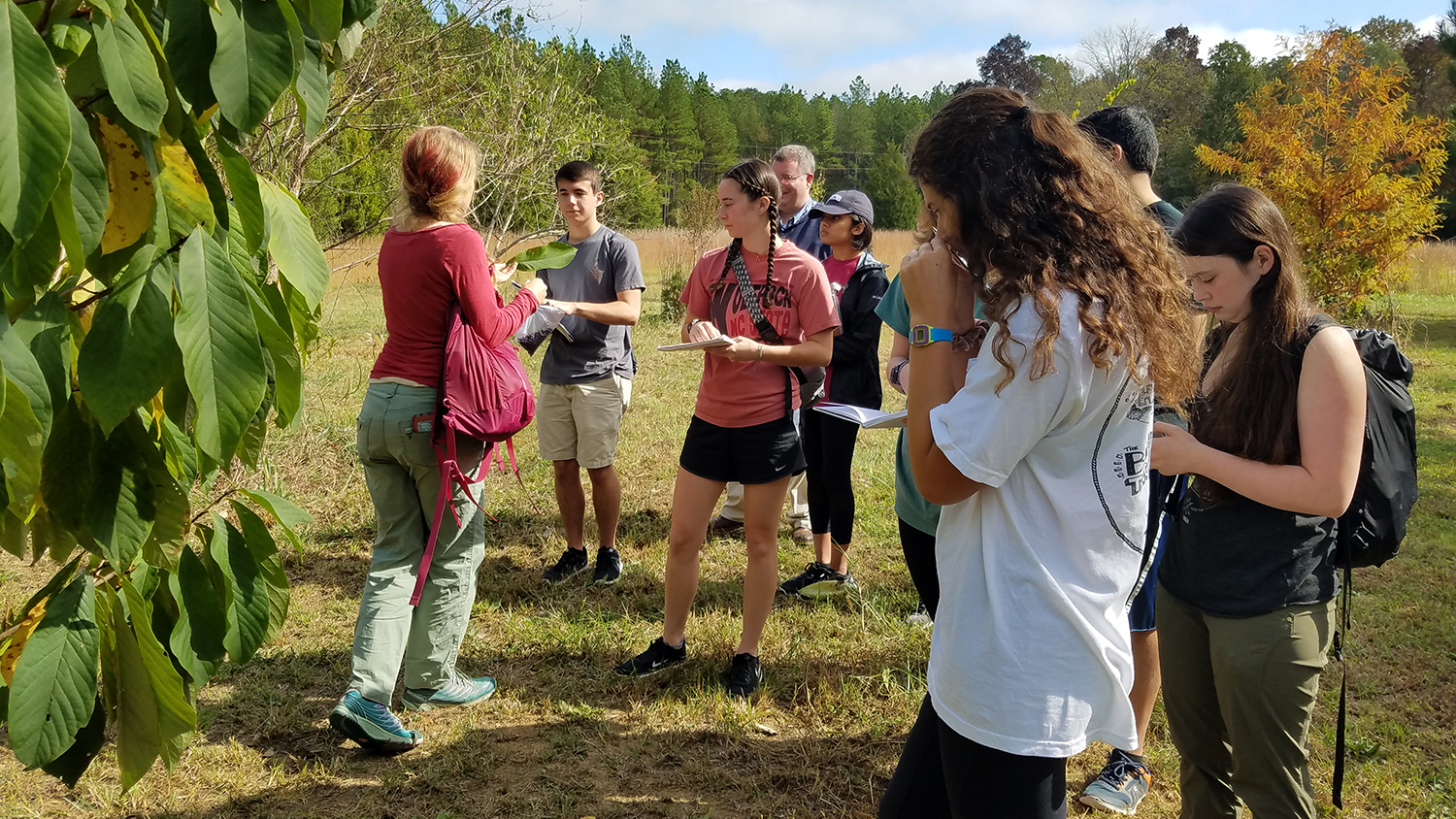
Our department supports a unique focus in ethnobotany, the interdisciplinary study of the relationships between plants and people. Areas of interest include medicinal plants, edible plants, and other plants with cultural uses or significance.
Research Facilities