Research
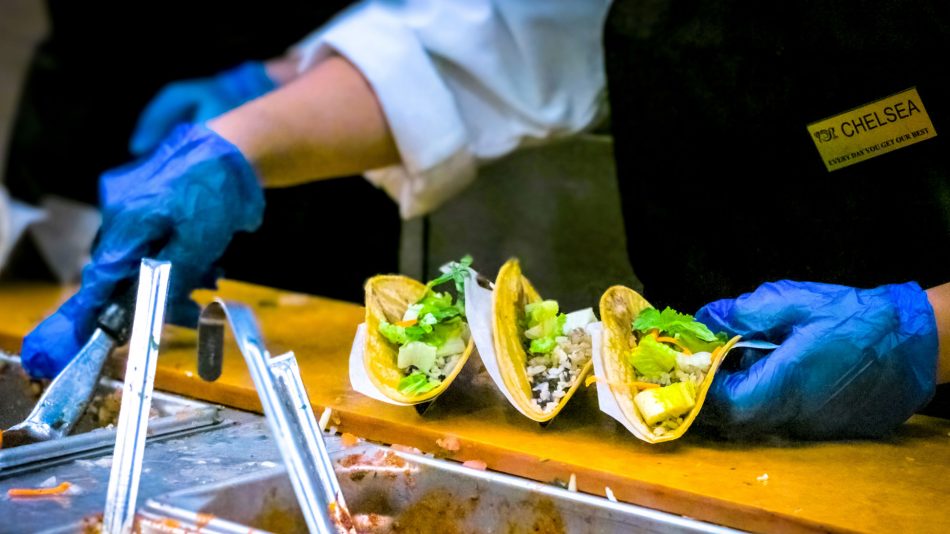
USDA to Fund NC State-Led Group on COVID-19 Food Safety
The two-year grant will support FoodCoVNET, a network of researchers at NC State, Rutgers, the University of Florida and the University of Nebraska-Lincoln. Scientists will focus on understanding the risks and best practices to address virus transmission between people in food settings like restaurants, produce packing facilities and food manufacturing settings.
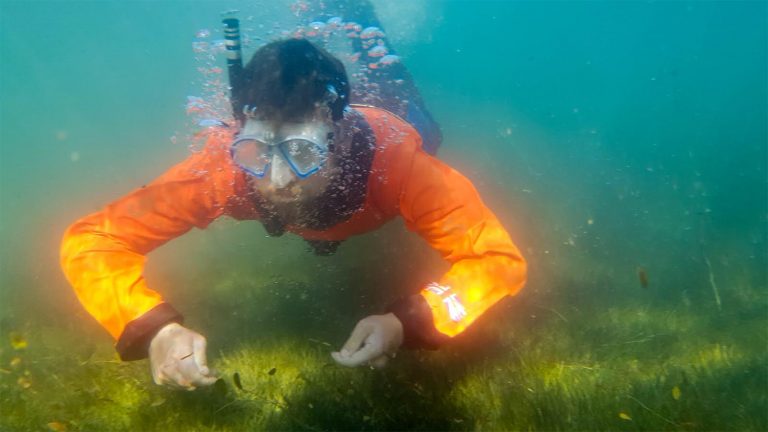
Student Spotlight: Andrew Howell
The most impactful experience for me so far was conducting research in New Zealand. At the beginning of my Ph.D. program three years ago, I was offered an opportunity to collaborate with the National Institute of Water and Atmospheric Research (NIWA). I spent 6 months conducting research on a novel aquatic herbicide which was in the labeling process here in the US at the time.
Science Confirms Coronavirus not Transmitted by Food
While Chinese authorities are requiring additional tests on frozen meat and poultry for traces of the virus that causes COVID-19, this scientific review by NC State CALS researchers and the American Frozen Food Institute finds that SARS-CoV-2 cannot be spread by foodborne routes.

Syngenta Donates One-of-a-Kind Laboratory Equipment to N.C. PSI
Long-time NC State corporate partner Syngenta, a global agriculture company, donated four plant growth chambers with unique capabilities and a specialized weighing system for water-use research to NC State’s Plant Sciences Initiative. The Plant Sciences Building is scheduled to open in early 2022.
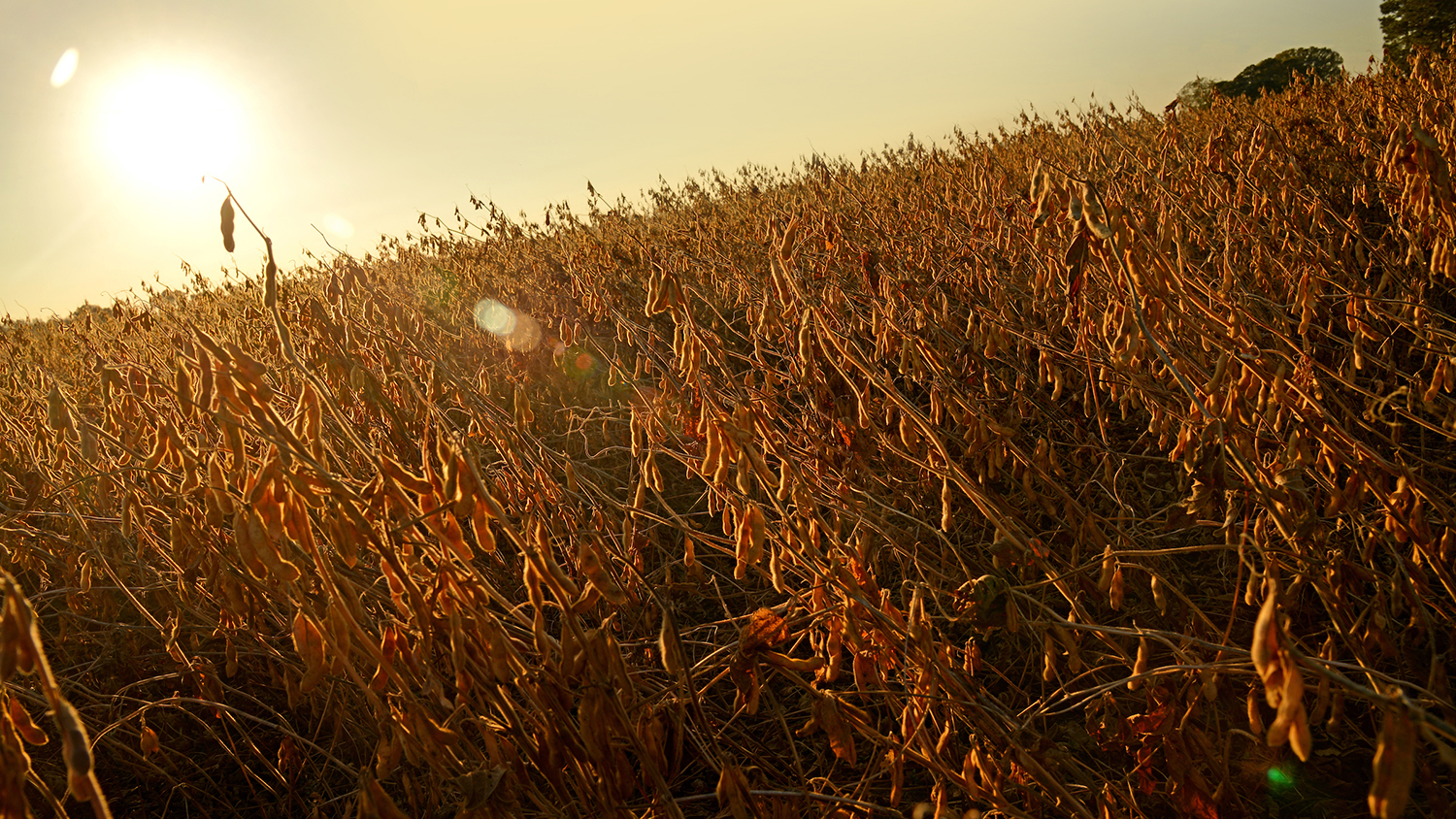
What a Changing Climate May Mean for Crop Pests
Agricultural systems in most parts of the world are the result of generations of trial and error (and, over the last 100 or so years, agricultural research) that, ultimately, reduce that risk as much as possible. In other words, agriculture depends on the local predictability of environmental conditions. Climate change reduces that predictability.
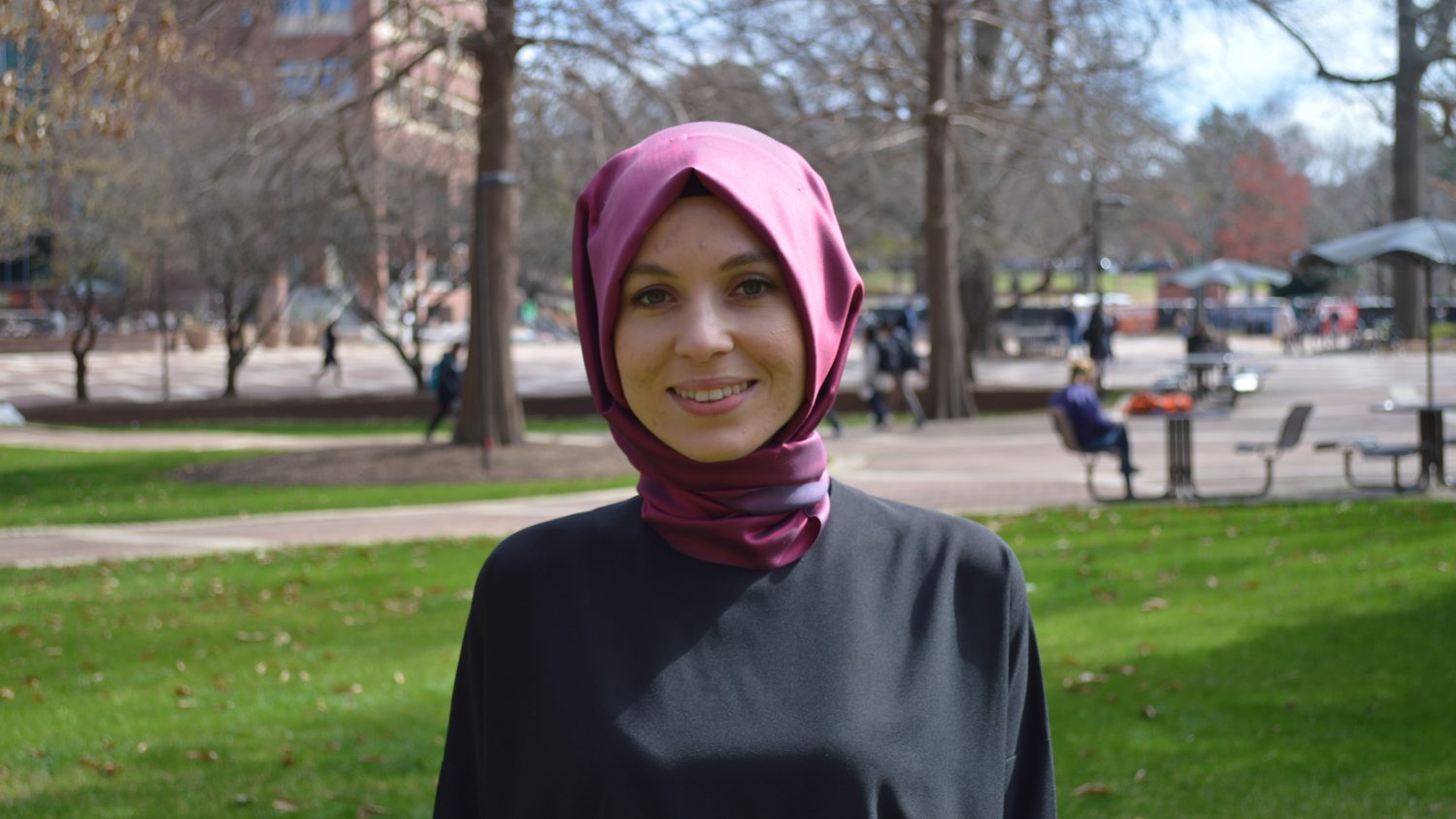
Thinking Big: Interview with Borlaug Fellow Fatma Gül Maraş Vanlioğlu
Fatma Gül Maraş Vanlioğlu sat down for a short interview with CALS International Programs during her three month Borlaug Fellowship at NC State.

The Economic Impact of Microwave Processing: From Greene County to Kenya
Josip Simunovic has a passion for improving the world. One food product at a time. His microwave processing technology to turn ugly produce into long-lasting puree has had a major economic impact on communities from eastern North Carolina to Kenya.
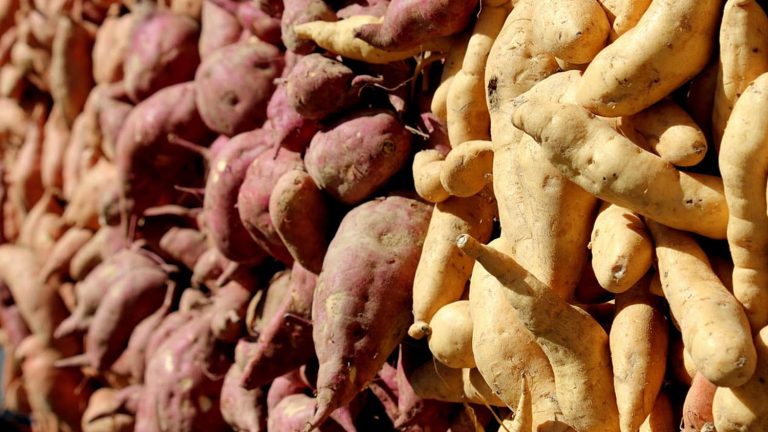
‘Map’ of Sweetpotato Genome to Improve Breeding Efforts
NC State scientists recently published a scientific paper that mapped the genetic locations of economically important traits in sweetpotatoes such as higher yield and disease resistance. Through collaborative work between NC State and the International Potato Center (CIP), they have improved sweetpotato breeding efforts.
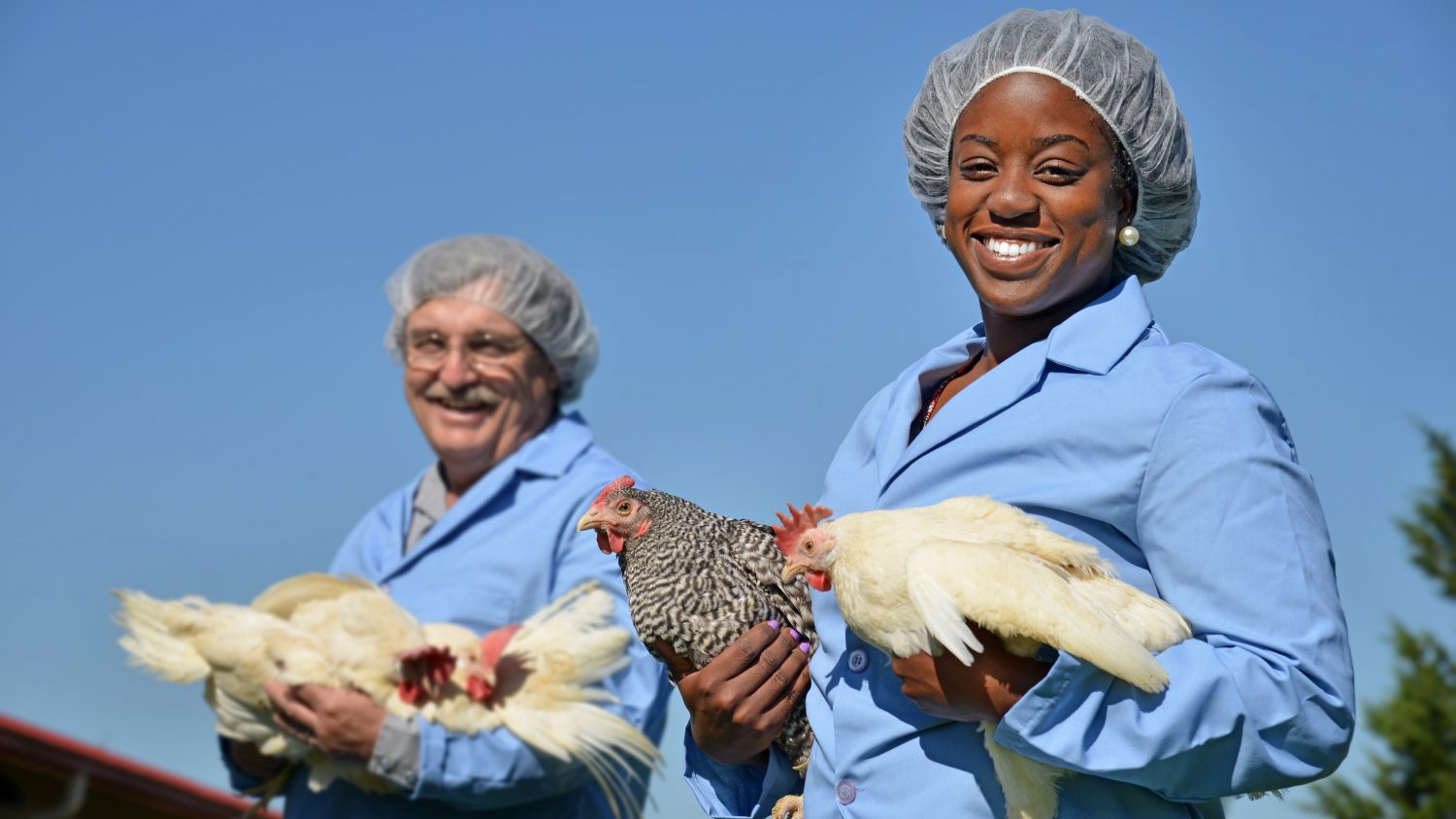
Around the World with Prestage Department of Poultry Science
Explore the global impact of Prestage Department of Poultry Science through their interactive map highlighting some of their international activities.
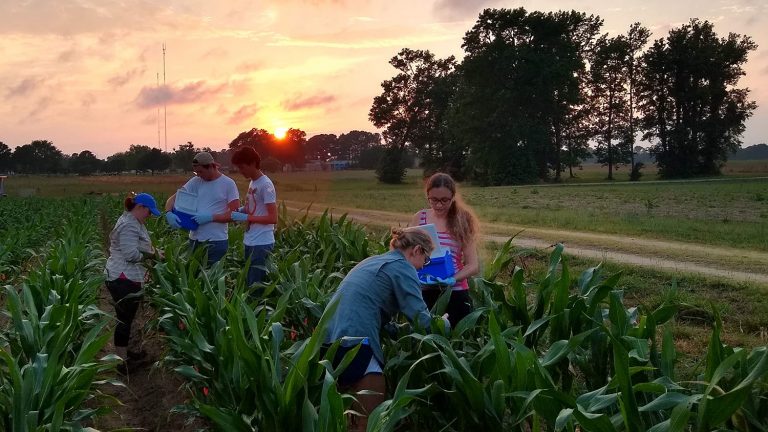
CALS Researchers Return to the Bench and Field
As NC State ramps up the Research Restart process, here’s how three researchers from across the College of Agriculture and Life Sciences are returning to the lab bench and test field after time away due to COVID-19.