Impact
Solving Health Crises for a Better World
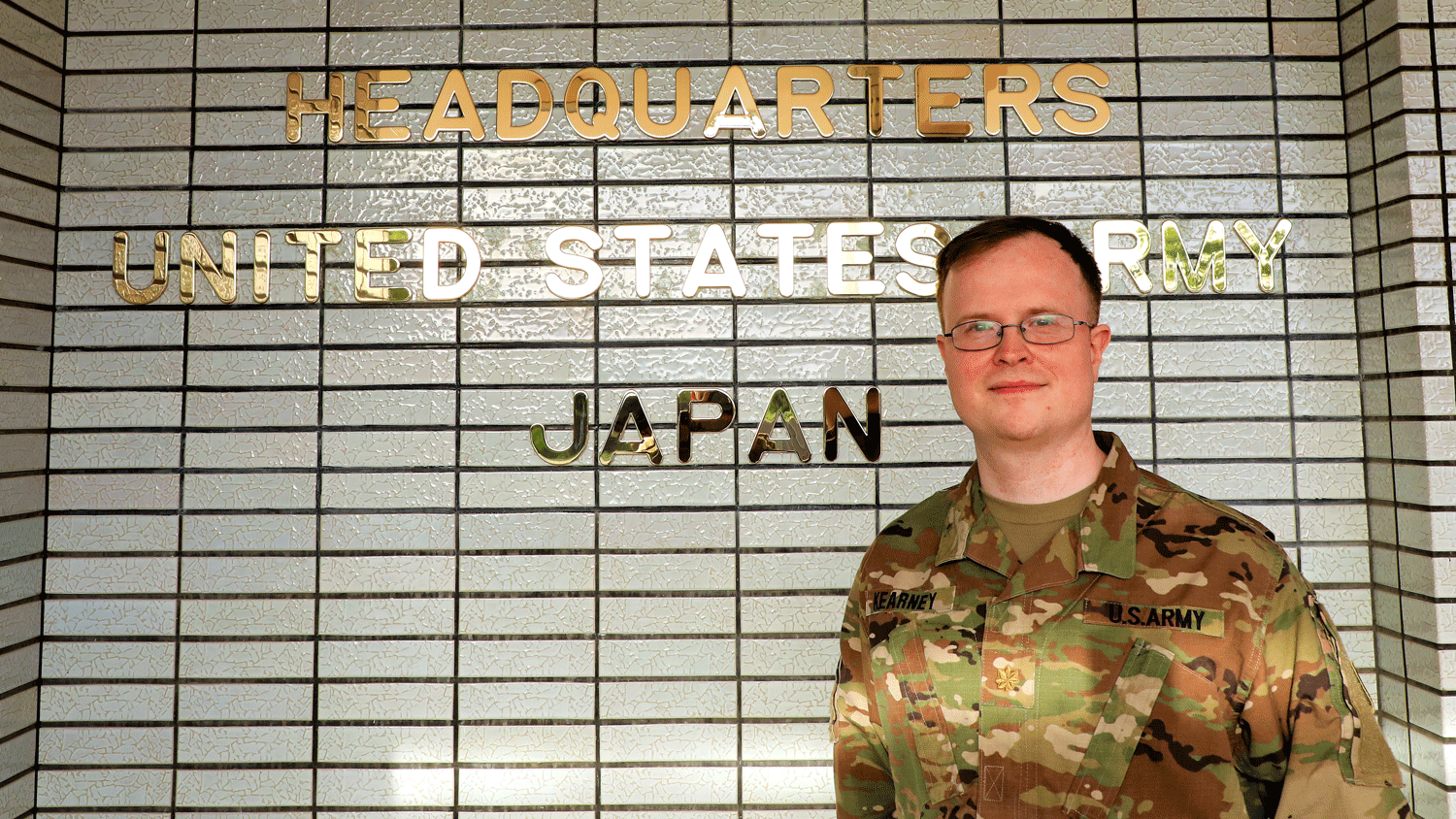
Four years after earning his doctorate, CALS alumnus Bradley Kearney joined the Army as a biochemist. During the COVID-19 pandemic, he's providing the best possible health system for all Army operations. Kearney joined the military in 2016 and now serves as a medical planner in the U.S. Army Japan Surgeon’s Office.
Irish Potato Famine Pathogen Stoked Outbreaks on Six Continents
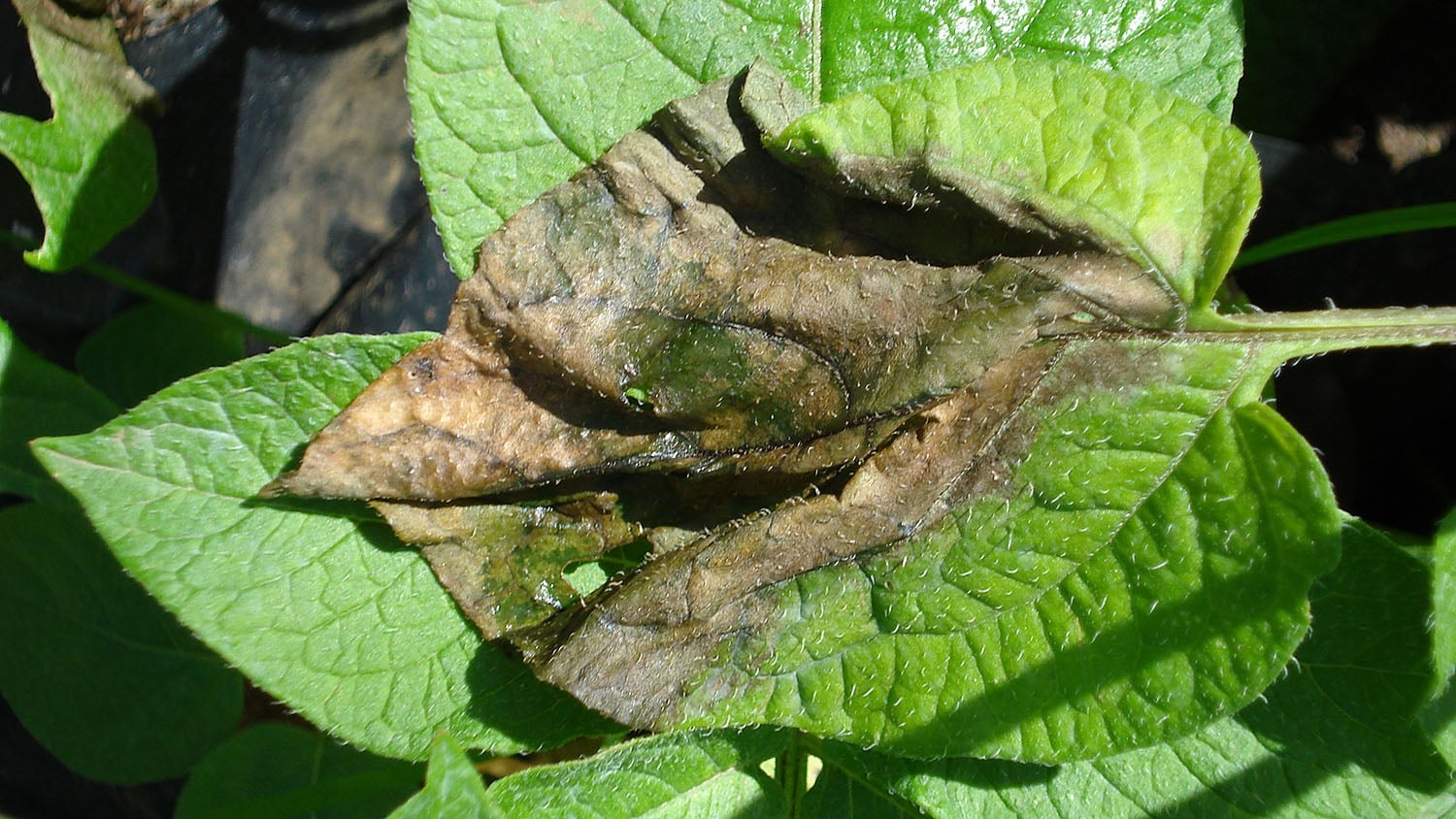
North Carolina State University researchers continue to track the evolution of different strains of the plant pathogen that caused the Irish potato famine in the 1840s, which set down roots in the United States before attacking Europe.
To Preserve Global Food Security, New Tools Needed to Prevent Plant Disease Pandemics
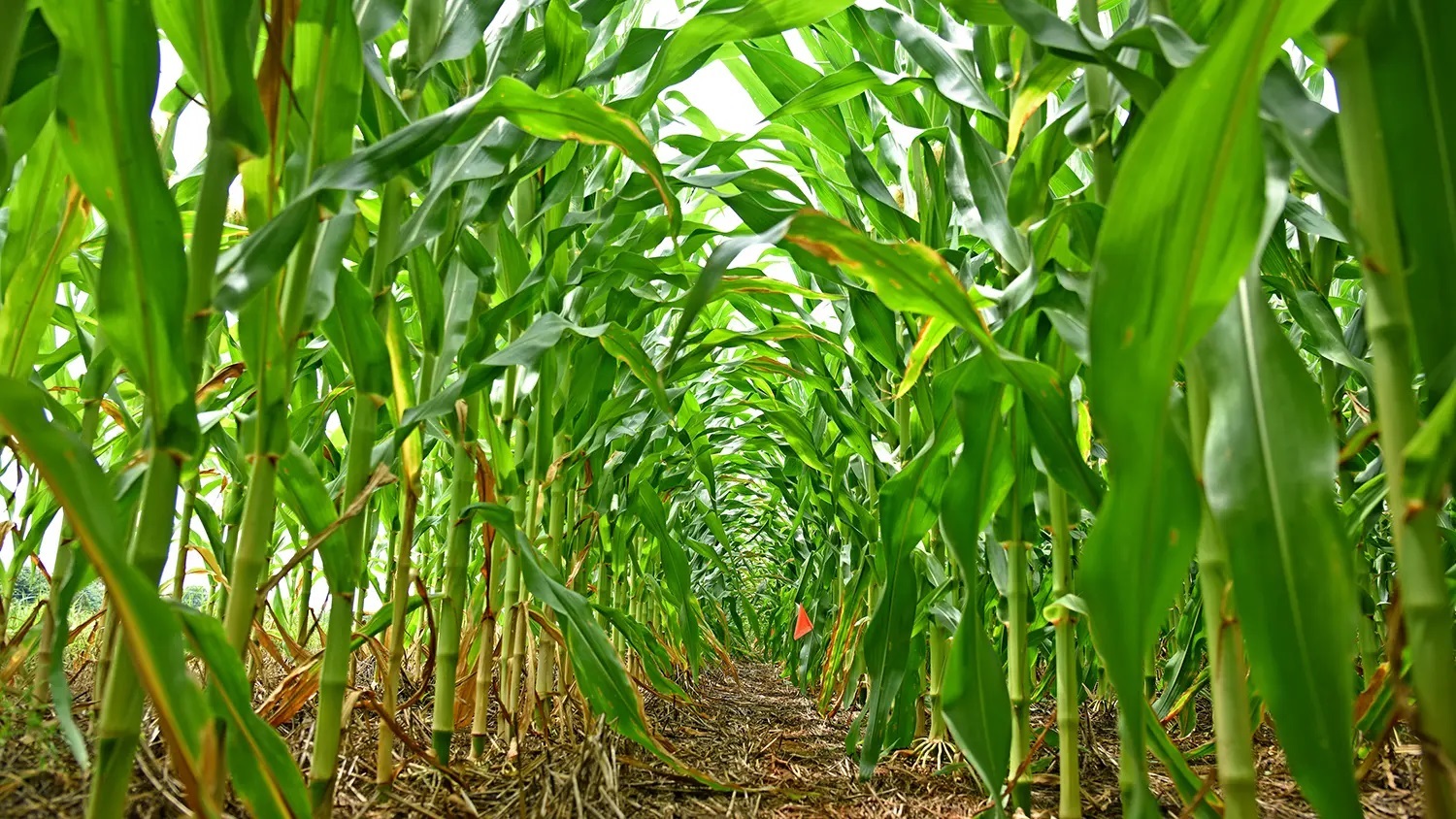
Plant diseases don’t stop at a nation’s borders and miles of oceans don’t prevent their spread, either. That’s why plant disease surveillance, improved plant disease detection systems and predictive plant disease modeling – integrated at the global scale – are necessary to mitigate future plant disease outbreaks and protect the global food supply.
Preserving Sweetpotato Exports
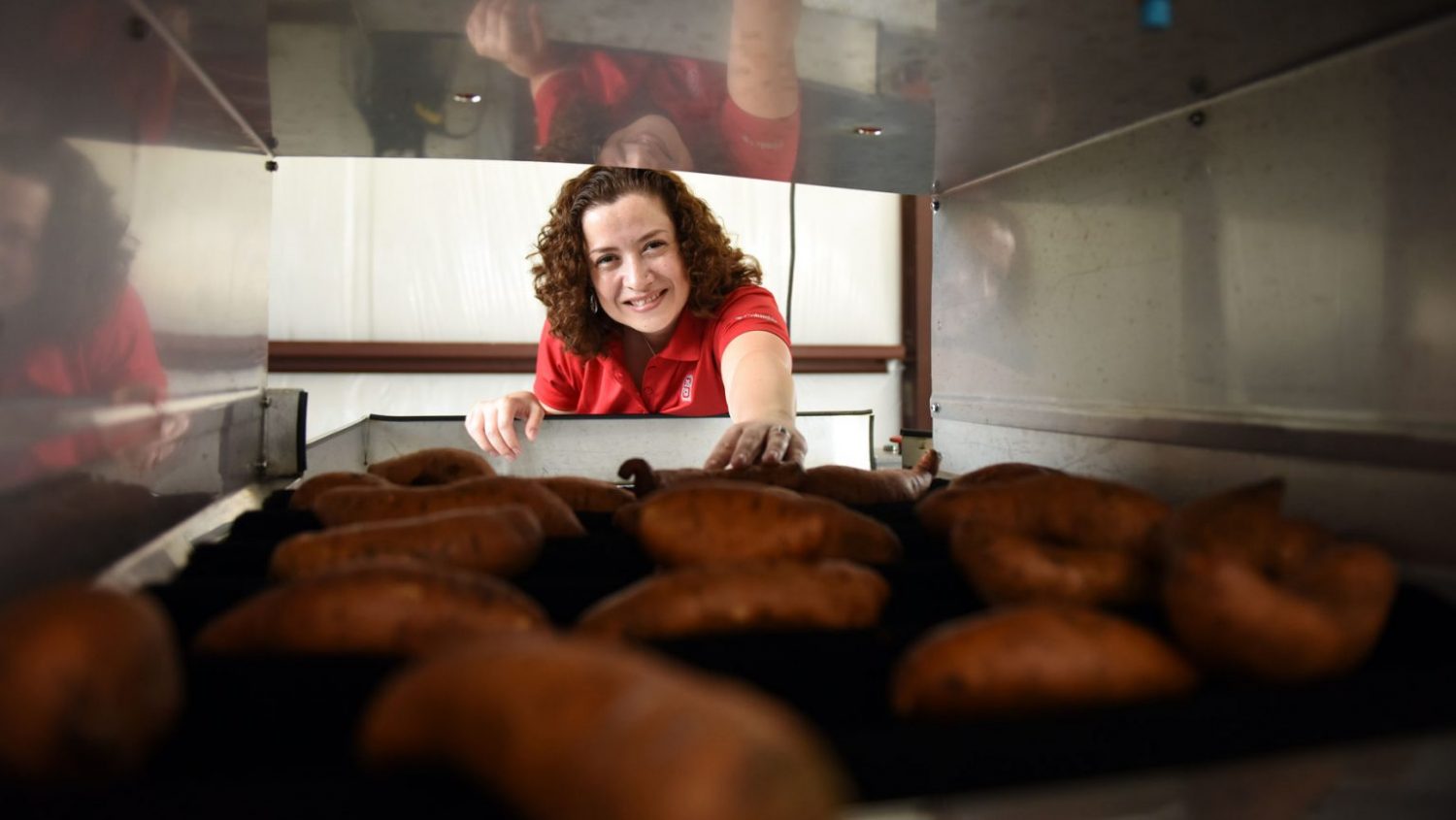
Thanks to a $1.2 million grant from the U.S. Department of Agriculture’s Foreign Agricultural Service NC State scientists including PI, Lina Quesada-Ocampo, and IR-4 Project experts will examine how to continue North Carolina-grown sweetpotatoes to Europe despite European Union regulations lowering fungicide tolerances.
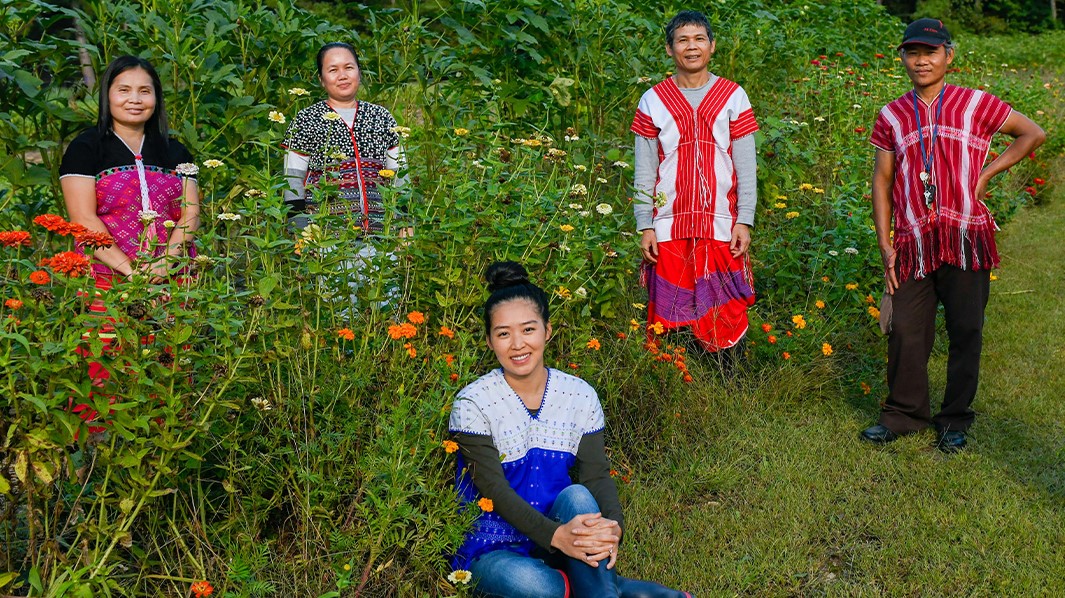
Growing a Future for Myanmar Refugees at the Karen Community Garden
For Htoo Saw Ywa, what’s growing at a new small farm in eastern Wake County is more than produce and more than added income for his family. It’s solace from the memories of persecution in his native Myanmar. It’s a way to connect with his farming roots and with fellow refugees. And it’s a chance for generations to bond through food traditions.
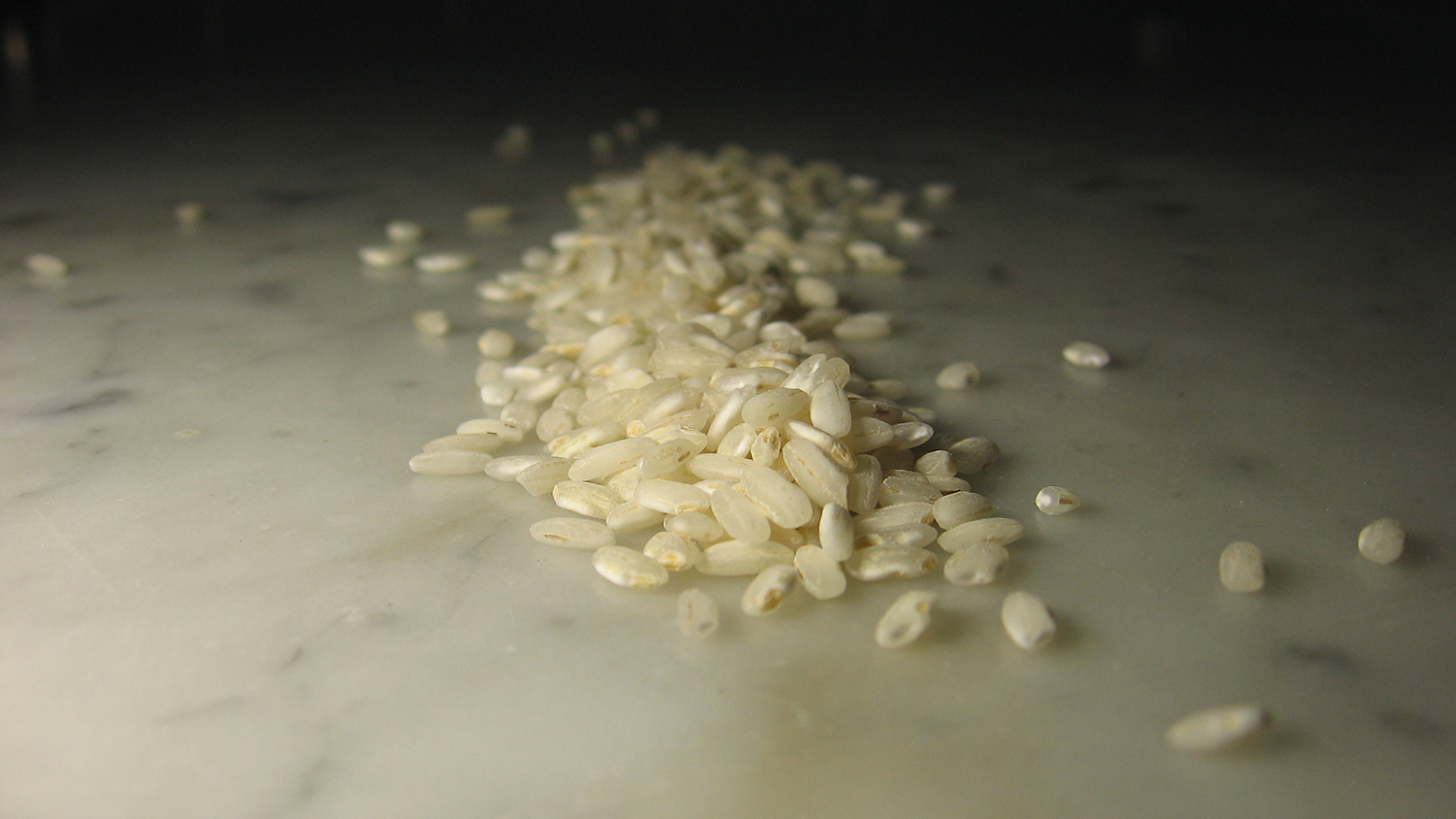
Farm-Level Study Shows Rising Temperatures Hurt Rice Yields
A study of the relationship between temperature and yields of various rice varieties, based on 50 years of weather and rice-yield data from farms in the Philippines, suggests that warming temperatures negatively affect rice yields.
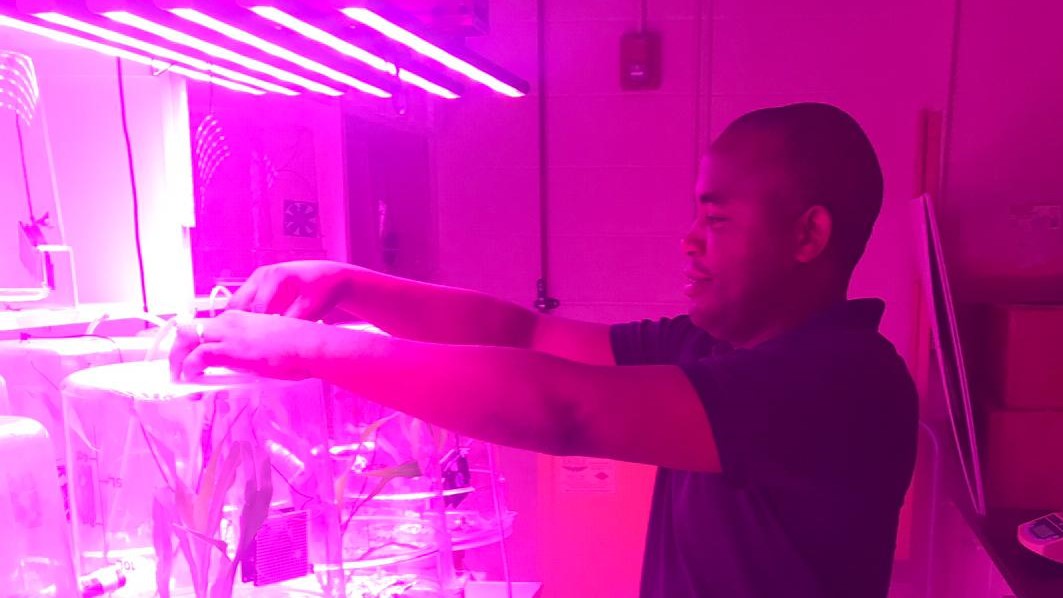
Hamilton Chiango: Drought and Physiological Changes in Maize
Hamilton Chiango from Mozambique presented his USDA-FAS Borlaug Fellowship findings for a CALS SAIGE International Seminar. The fellowship focused on finding genotypes that can resist dry soil as a result of drought, which would be a significant success for the future of farming in Mozambique.
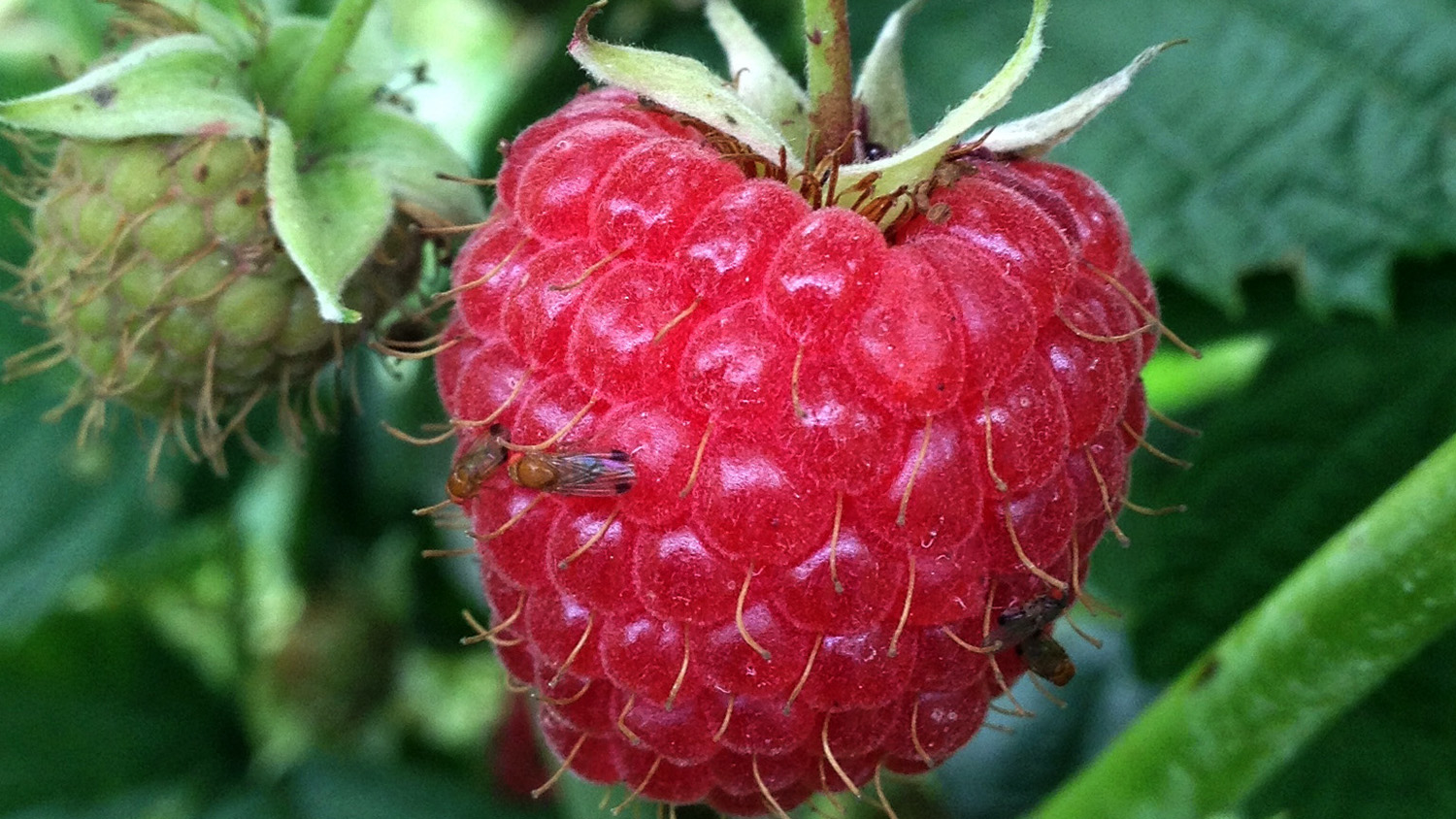
Invasive Flies Prefer Untouched Territory When Laying Eggs
The finding raises questions about how the flies can tell whether a piece of fruit is virgin territory – and what that might mean for pest control.
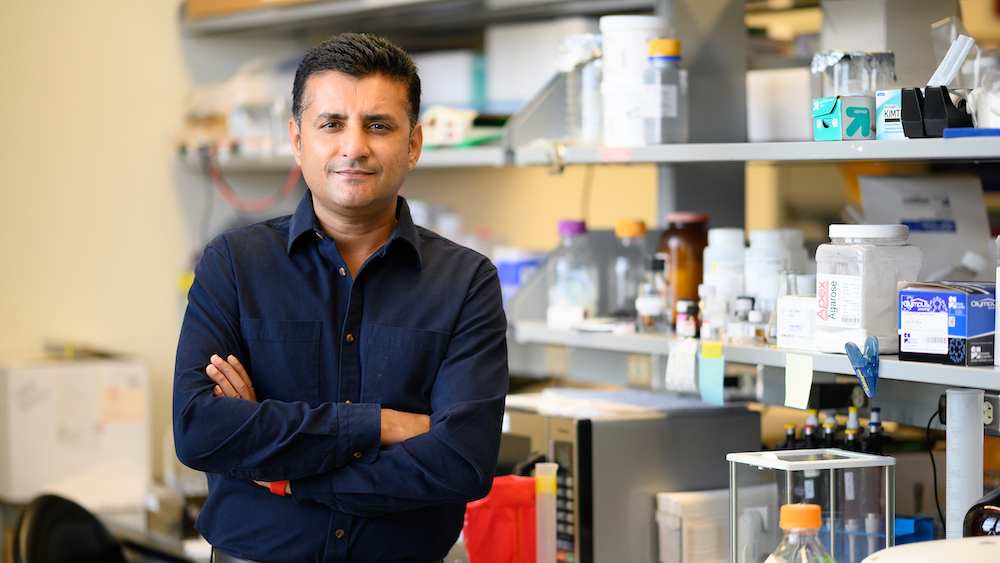
Q&A: Director Sid Thakur on How NC State’s Global Health Program is Changing the World
Thakur talks about the importance of veterinarians to global health, the program’s plans for the future and why he’s optimistic that NC State can make a real difference in addressing the world’s most pressing health challenges.
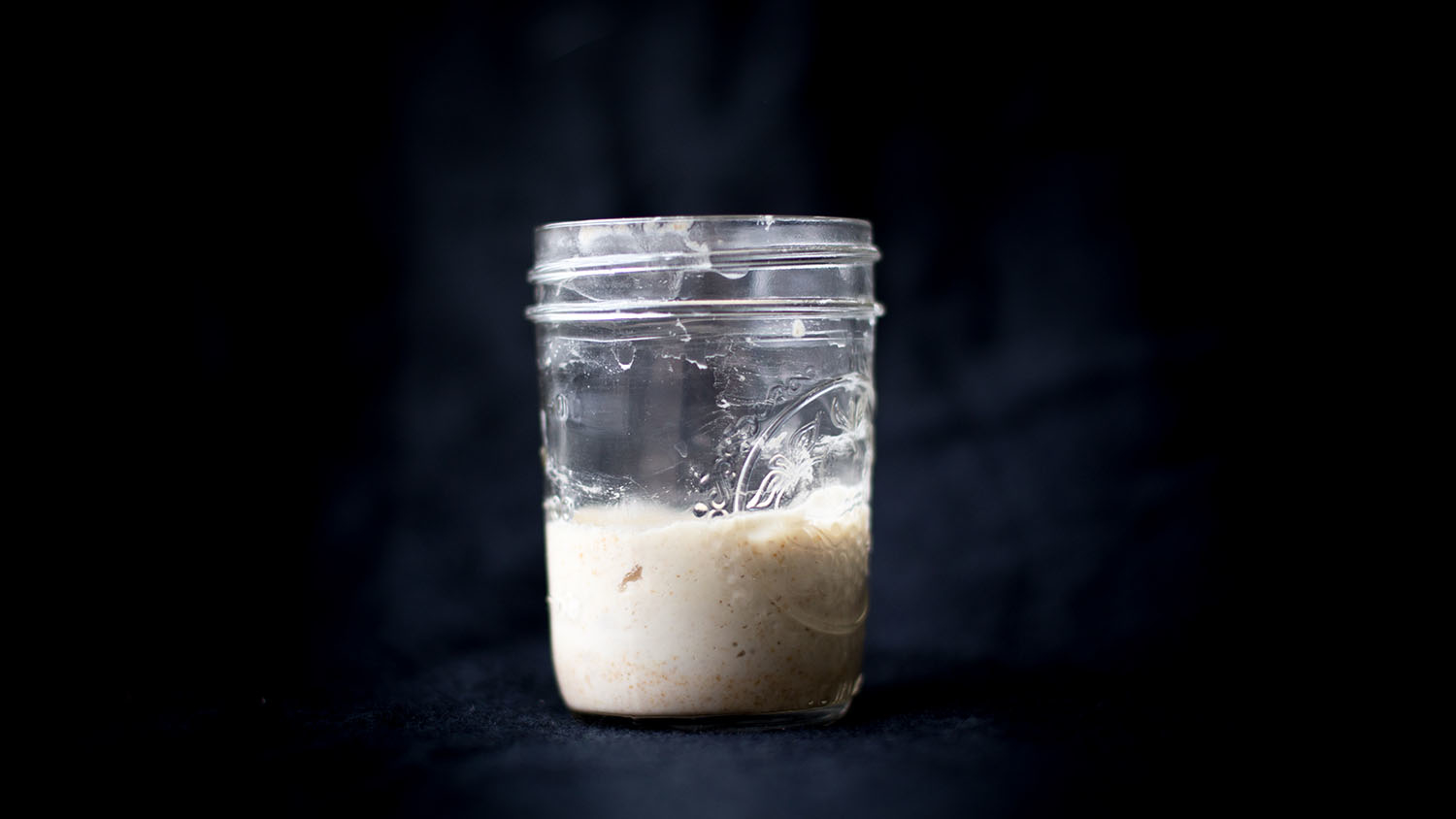
Intercontinental Study Sheds Light on the Microbial Life of Sourdough
In a study of 500 sourdough starters spanning four continents, scientists have garnered new insights into the environmental factors that contribute to each sourdough starter’s microbial ecosystem, and how different types of microbes influence both a sourdough’s aroma and how quickly the sourdough rises.