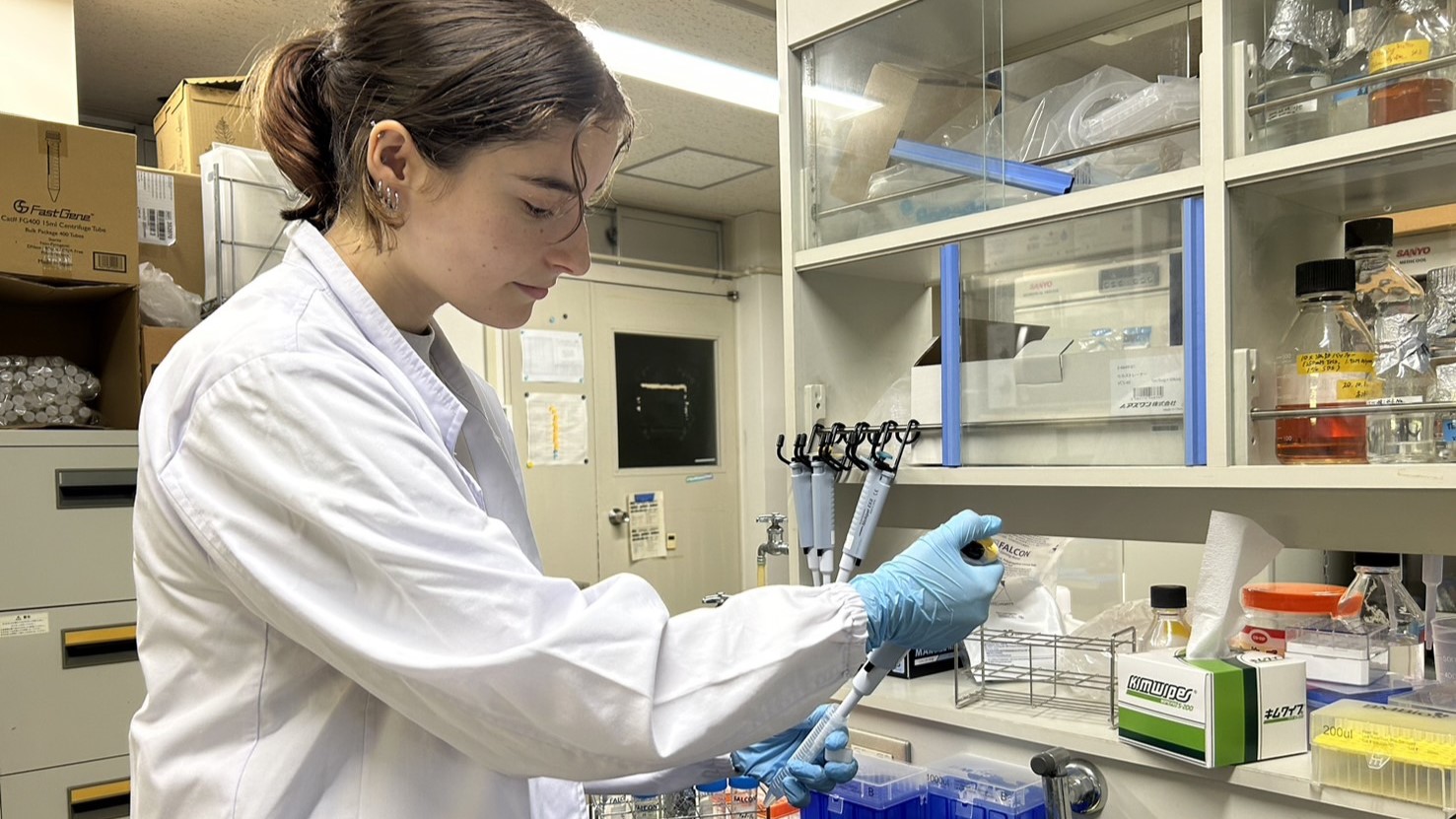
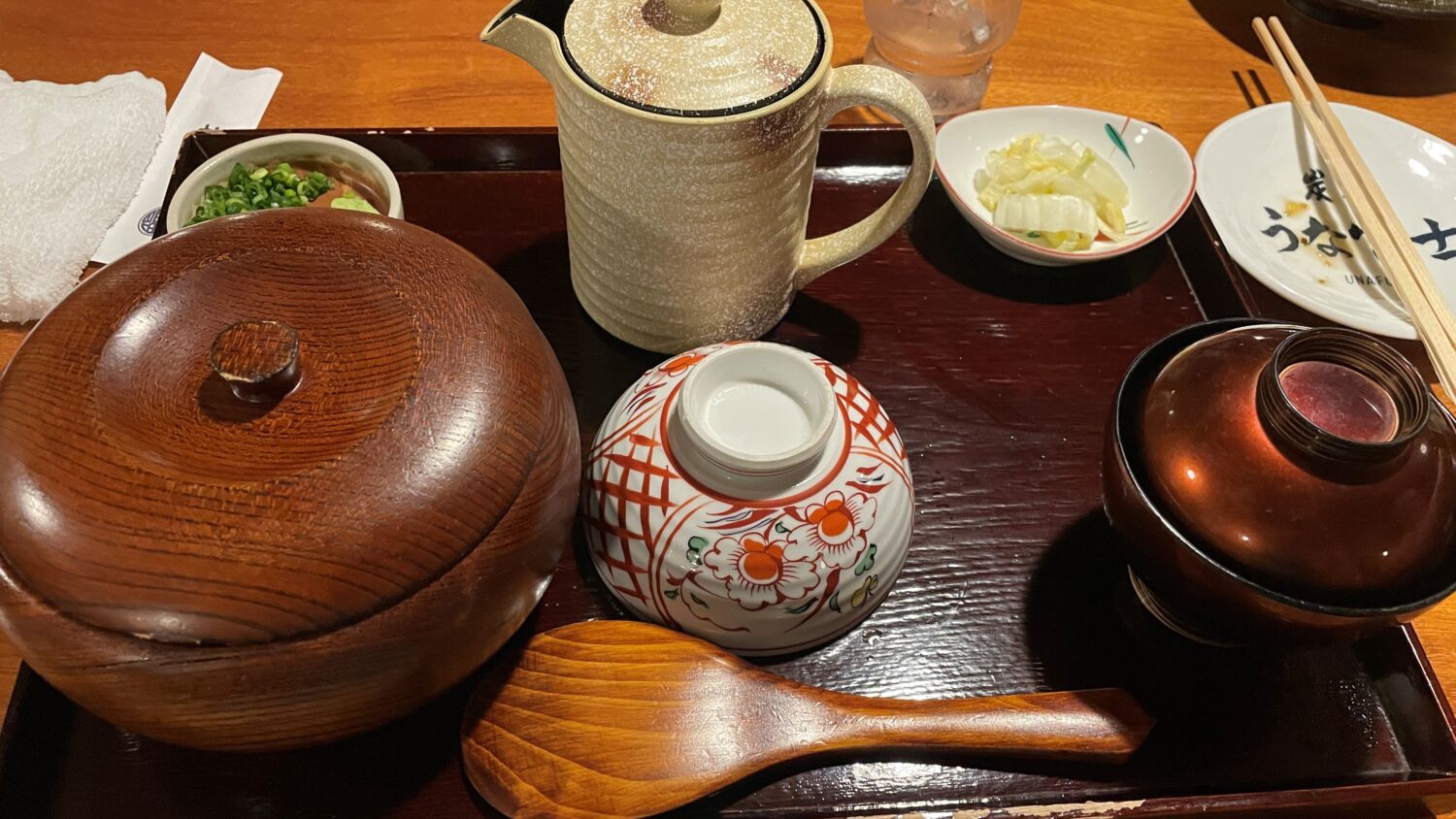
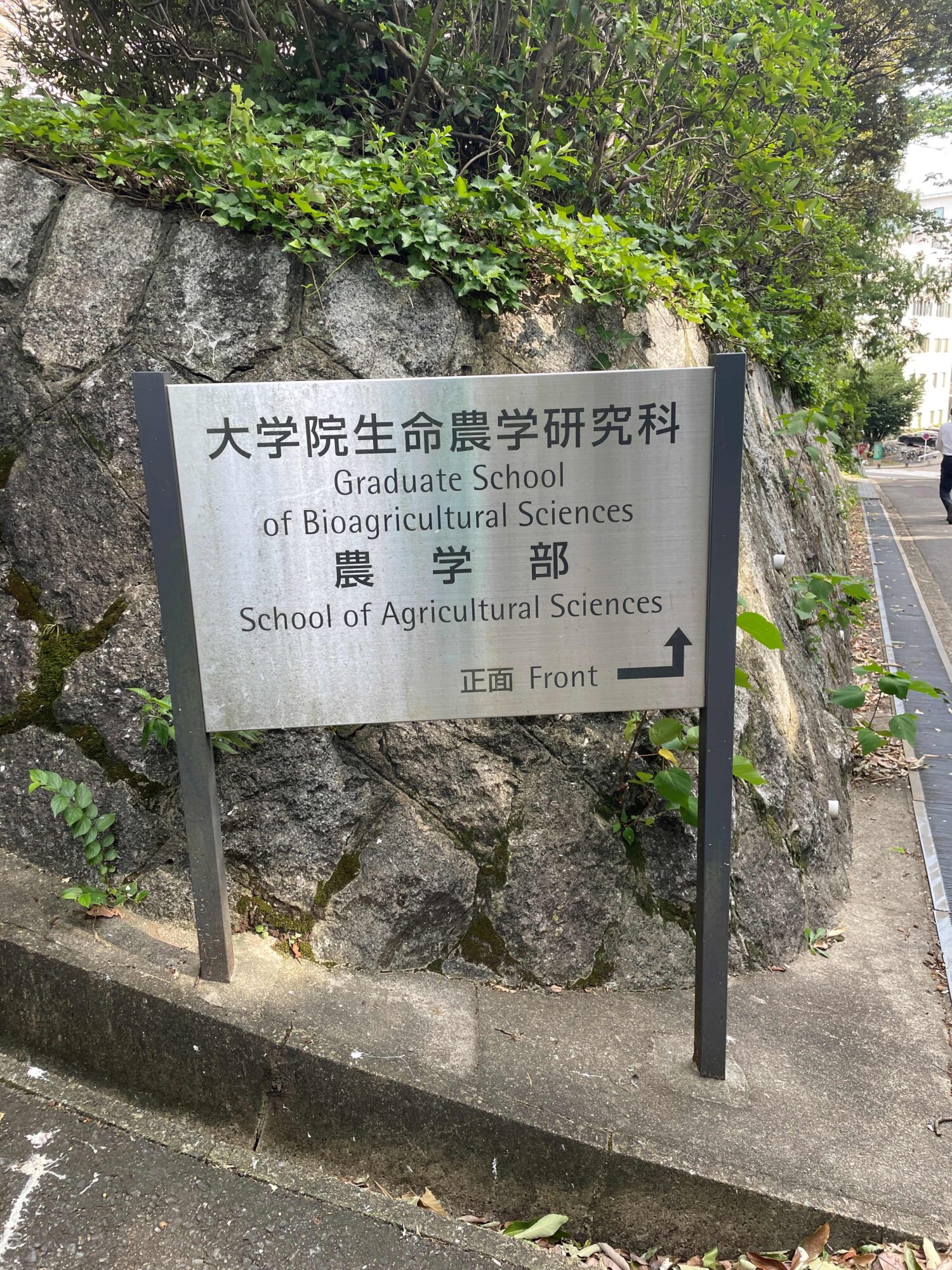
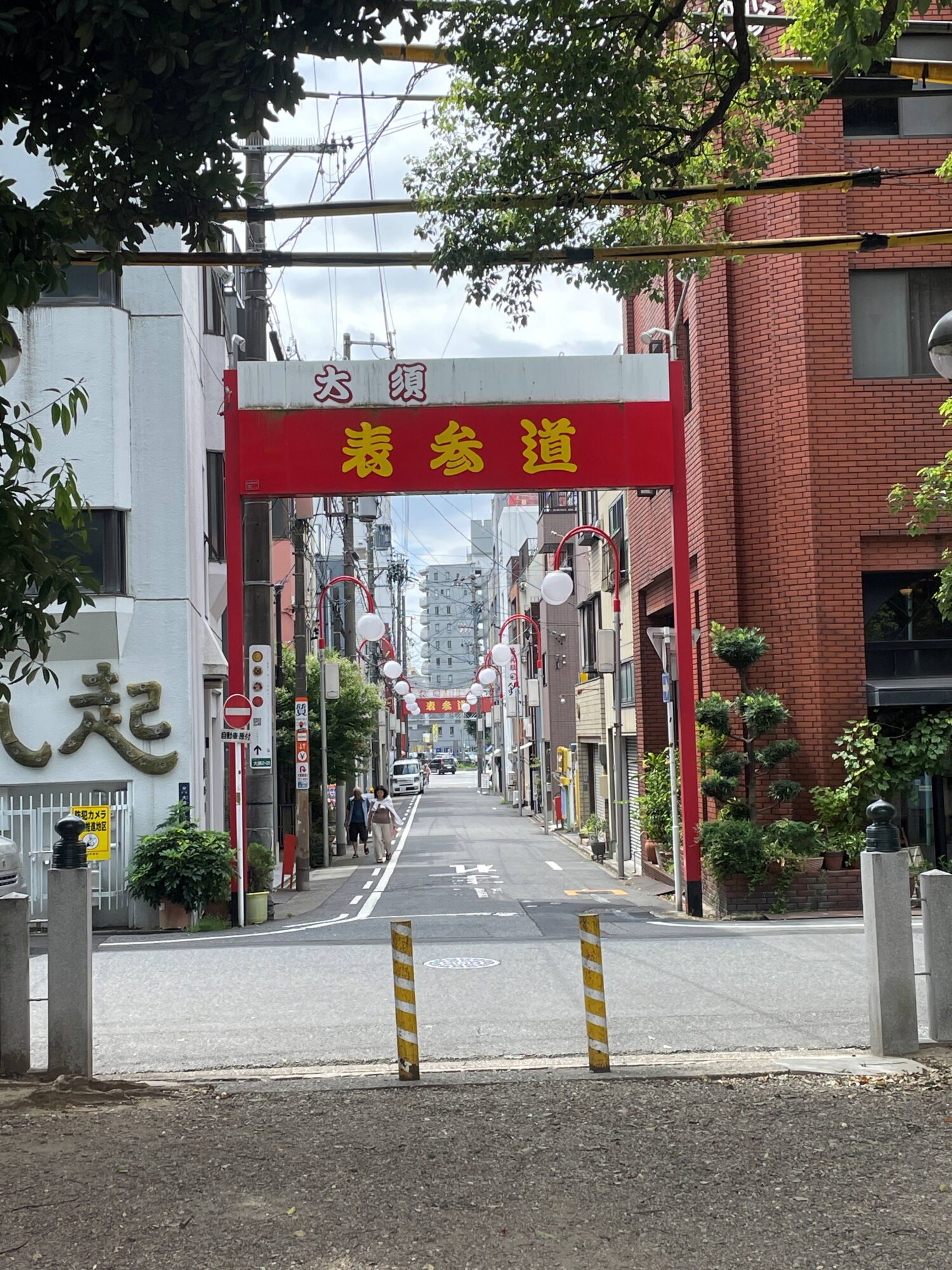
This Research Pack Abroad summer research opportunity will provide students the opportunity to sharpen their research skills working with faculty at Nagoya University.

Japan: International Research at Nagoya University
Summer 2027 opportunities
Laboratory of Agroinformatics & Phenomics
Analysis of transpiration dynamics in field crops:
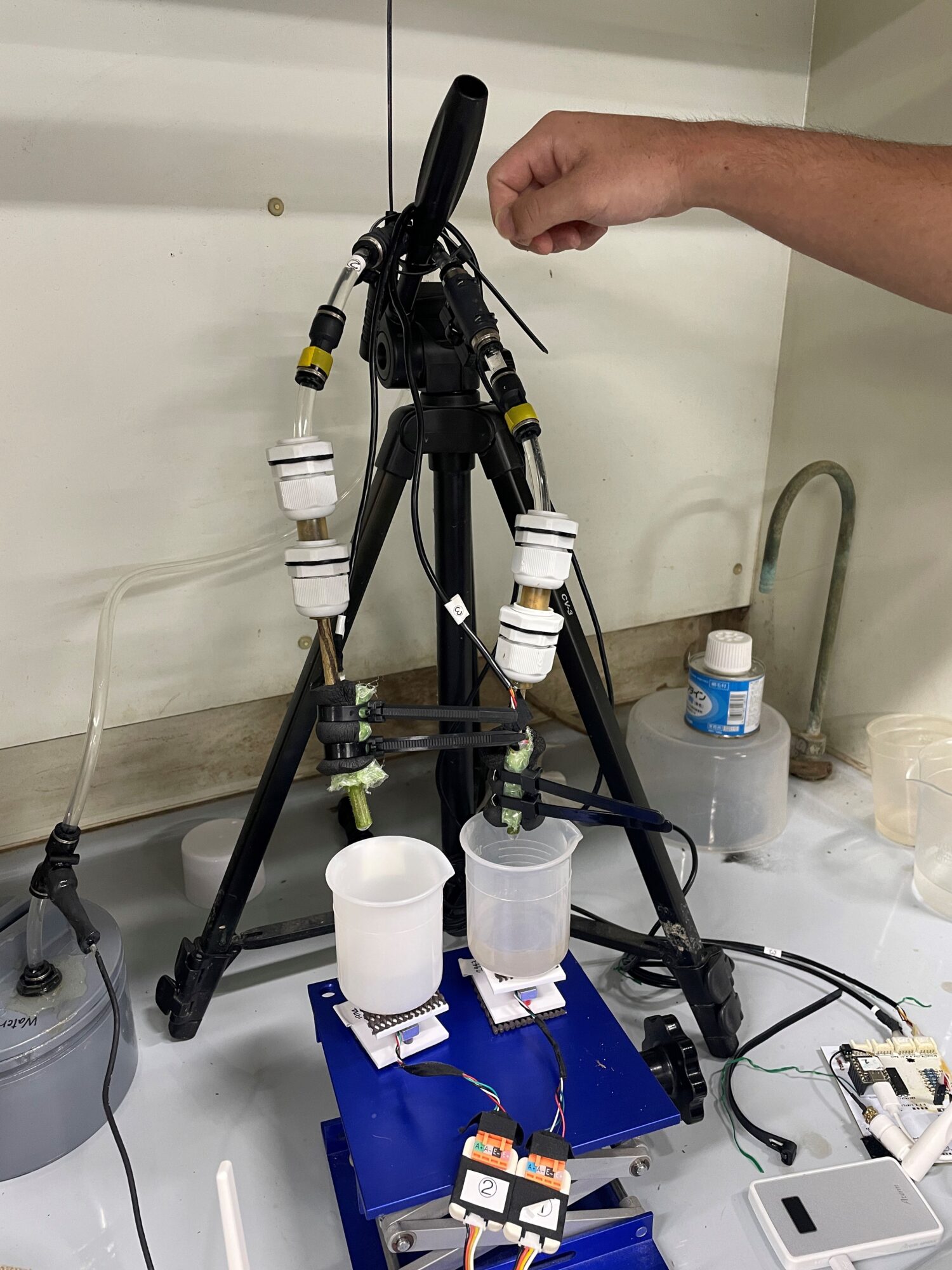
We are going to investigate the environmental response of stomatal dynamics and water use characteristics in field-grown rice, maize, and soybean using a portable gas-exchange measurement system and a microcontroller-based sap flow sensor.
Laboratory for Plant Signaling
Elucidating the function of phytohormones in plant growth and development
We conduct multifaceted research to elucidate the molecular mechanisms that optimize plant growth and development in response to environmental cues. Our work focuses particularly on the roles of phytohormones, investigating the regulatory networks that control shoot and root development under varying nitrogen nutrition and during pathogen infection. Through these studies, we aim to uncover the mechanisms governing sink–source regulation and assimilate allocation.
Plant Pathology Laboratory
Analysis of defense compounds produced by plants
Solanaceous plants, such as tomato and potato, produce sesquiterpenoid phytoalexins (antimicrobial substances) against pathogenic fungi, but their biosynthetic mechanisms are largely unknown. Analysis of varietal differences in phytoalexins produced by potato, tomato and petunia by GC/MS (gas chromatograph-mass spectrometer) and RNAseq will be used to identify novel phytoalexins and biosynthetic enzyme genes.
Laboratory of Animal Integrative Physiology
Preliminary interview required
Understanding the mechanism of circadian clock and its molecular control
Animals have various biological clocks such as circadian clock, lunar clock, and seasonal clock. Although these phenomena attract tremendous general interest, their mechanisms are one of the great mysteries in biology. The uniqueness of our research lies in the use of various vertebrate species such as fish, birds, and mammals. By applying systems biology approach, we are trying to uncover the mystery of biological clocks.
POSITION FILLEDLaboratory of Genome and Epigenome Dynamics
Epigenetic regulation of meiotic recombination in mice
Meiosis is a unique type of cell division, which occurs only in germ cells. Whereas homologous chromosomes are located separately in the whole life of somatic cells, they pair and exchange genetic materials during meiosis. This genetic exchange is executed via homologous DNA recombination. In mammals, although homologous recombination is a programmed and essential process during meiosis, an excess of homologous recombination results in germ cell death and infertility. We have studied how epigenetic modifications, such as DNA methylation and histone methylation, regulate the initiation of homologous recombination during meiosis of mouse male germ cells.
Laboratory of Animal Reproduction
Analysis of neural circuits controlling the activity of kisspeptin neurons
Kisspeptin neurons are the master regulator for animal reproduction to govern the hypothalamus-pituitary-gonadal axis in mammals. We are going to identify upstream neural signals that control the activity of kisspeptin neurons in the hypothalamus and analyze their roles in rats.
Laboratory of Avian Bioscience (Avian Bioscience Research Center)
Basics and applications of chicken primordial germ cells
Germ cells are distinct in their ability to pass life along to future generations without any loss of quality. Chicken primordial germ cells (PGCs)—the precursors to eggs and sperm—are crucial for avian genetic cryopreservation and the development of custom poultry breeds. Current research focuses on elucidating PGC growth mechanisms and expanding the applications of genome-edited chicken technology.
Laboratory of Animal Nutrition
Our laboratory conducts nutritional physiology research using poultry and rodent models to understand how nutrients influence growth, metabolism, health, and product quality. In poultry research, we study the unique metabolic characteristics of broiler chickens and their roles in skeletal muscle development, as well as how feed-derived beneficial compounds are transferred into eggs of laying hens. We also use metabolomic and lipidomic analyses to investigate how feeding strategies influence egg composition and flavor. Exchange students will participate in laboratory experiments and data analysis related to egg composition, nutrient metabolism, and product quality assessment. Through these activities, students will gain hands-on research experience and develop practical skills in animal nutrition, analytical techniques, and biological data analysis while contributing to the development of value-added animal products and sustainable poultry production systems.
Forest Hydrology and Erosion Control Engineering
We are conducting interdisciplinary research on water circulation and sediment dynamics within watershed ecosystems. Students will explore the interactions between vegetation and hydrological processes such as rainfall interception, evapotranspiration, soil erosion, and slope runoff, through field observations and numerical simulations. Students will also investigate watershed-scale water and soil management by linking agricultural and forest systems to disaster prevention and resource conservation.
Laboratory of Timber Engineering
We conduct interdisciplinary research on wood utilization in the fields of architecture and civil engineering, applying wood mechanics and physical properties as foundational science and applied science. Students explore sustainable wood utilization processes through wood strength testing, elemental testing of wood structures (such as joints), dynamic surveys on wood utilization (using parameters like log production areas,
product manufacturing locations, building scale, and construction regions), and numerical simulation. A key point of note is the interdisciplinary nature of this work, spanning forestry, wood science, and engineering.
(On request, opportunities to visit Japanese industries, such as fermented food companies and automobile companies, can also be offered.)
Information
Courses: Independent Study (3 credits)
Program Dates: 2 months during the summer – anytime between Mid-May to August
Harry C. Kelly Scholarship: participants in the Nagoya University Research Pack Abroad program are eligible to apply for this scholarship administered through the NC Japan Center!
Deadlines
- Study Abroad Scholarships Application Deadline
- November 15, 2026 for summer course
- February 15, 2027 for fall course
- Application Deadline: Rolling admissions through December 11, 2026
Cost
- Students cover the cost of their airfare, housing in Japan and food directly
- Nagoya University will help the students find housing on campus or close to campus
- Students register their participation through Study Abroad Independent Study/Research Abroad
- $75 non-refundable application fee
- $150 Study Abroad Fee
How to Apply
- Attend an information session:
September 17, 3:00 PM
October 2, 10:00 AM
October 23, 12:00 PM
or schedule a meeting with Dr. Tucker to discuss your individual research goals - Complete Google form and upload resume
Positions are filled on a rolling basis, so early application is strongly encouraged.
Summer 2027 application deadline: December 11, 2026
Apply Now
Past Participants

Caryn's Plant Pathology Research

Kelsey's Epigenetics Research

Mac's Disaster Mitigation Research

Zander's Plant Pathology Research

Julia's Plant Pathology Research