Training Programs

View Our Trainings

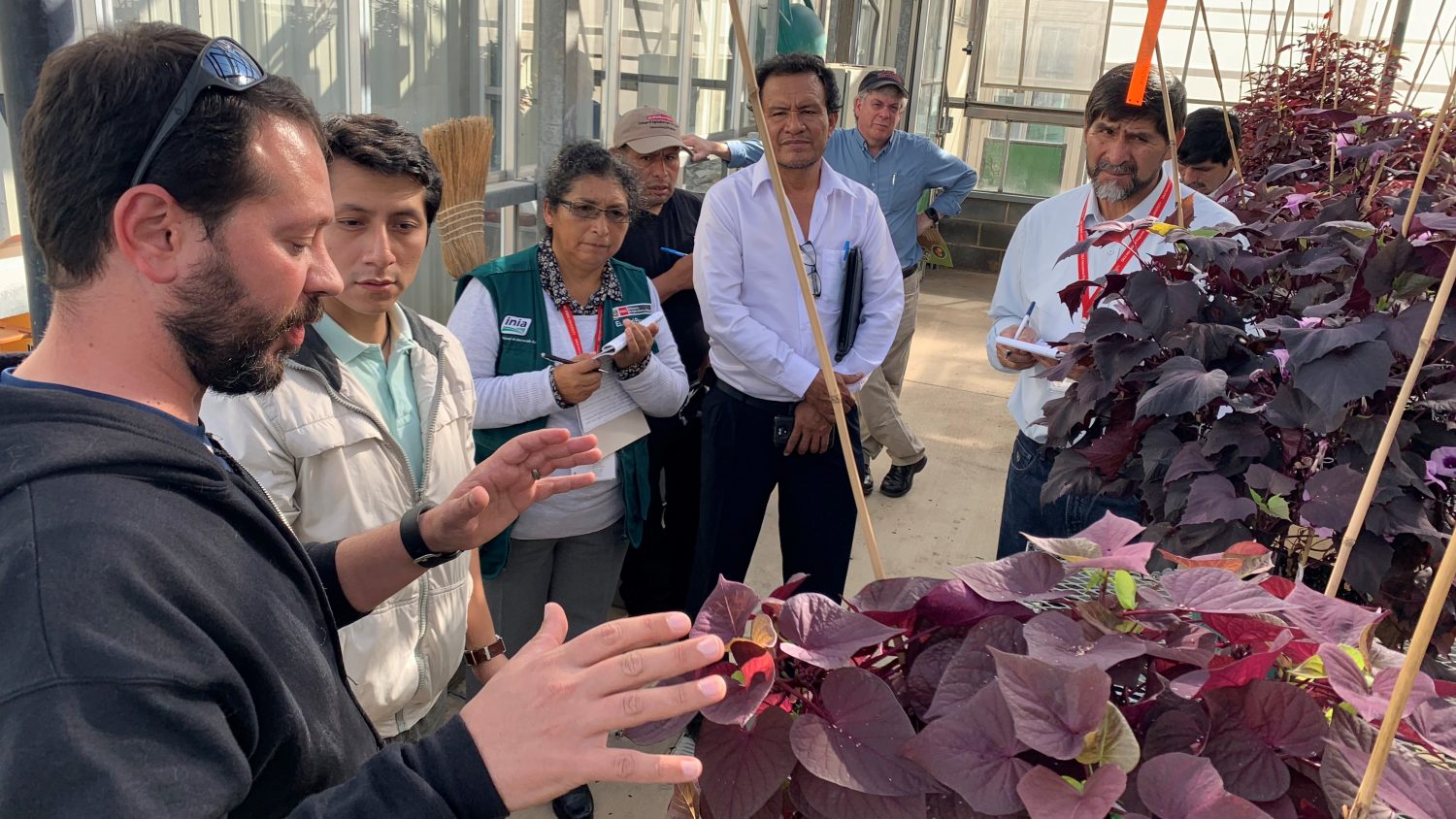
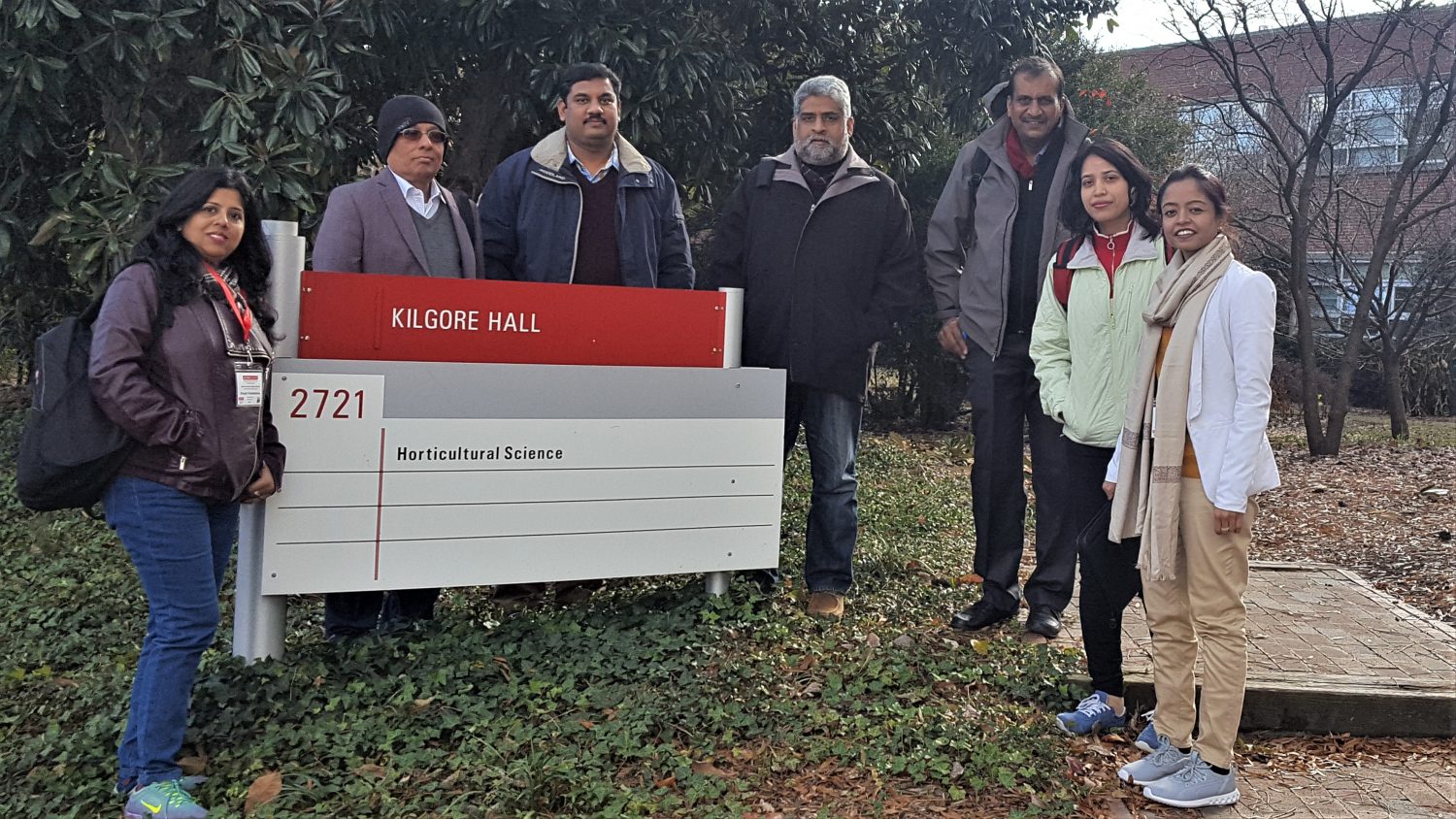
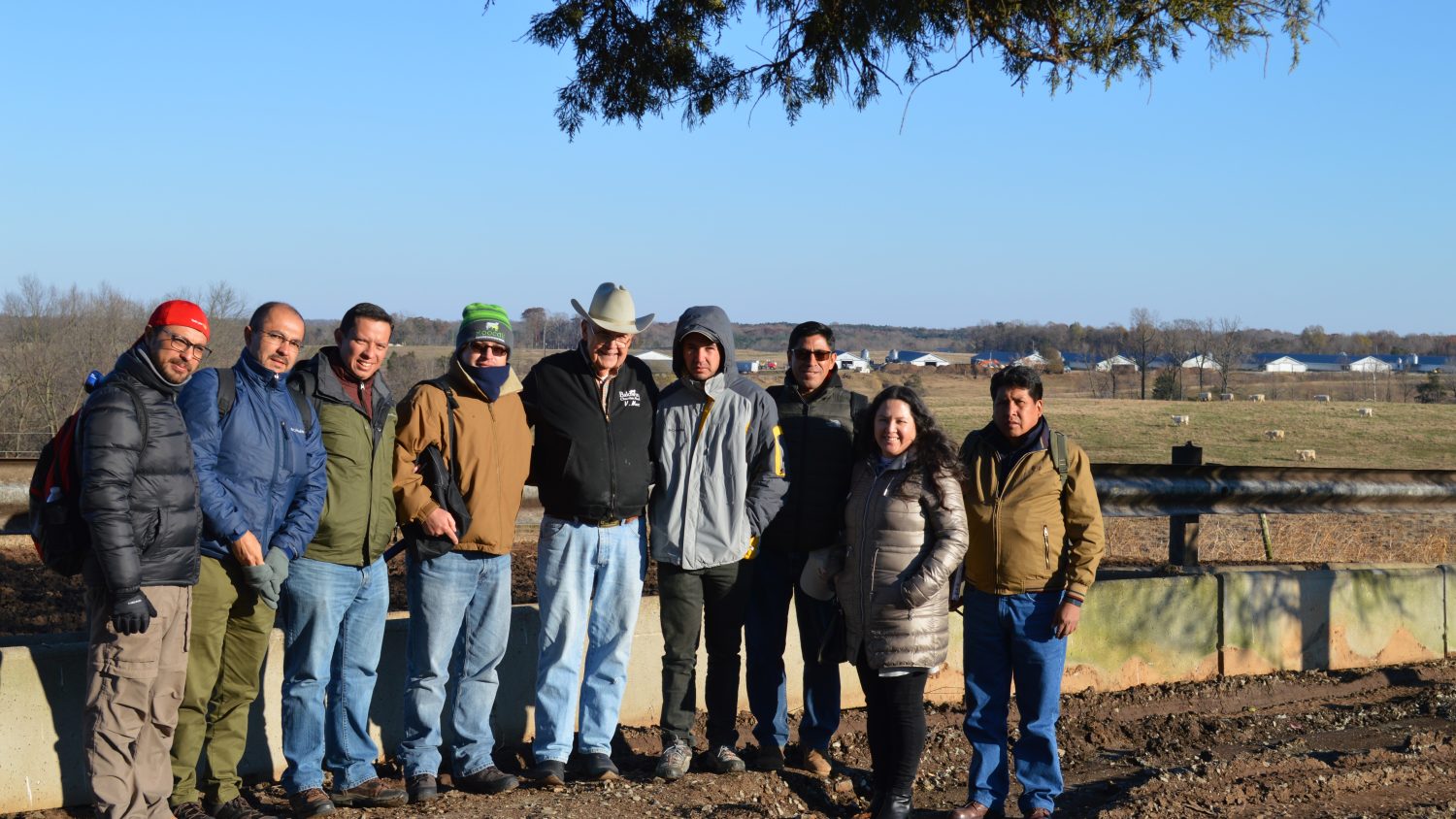
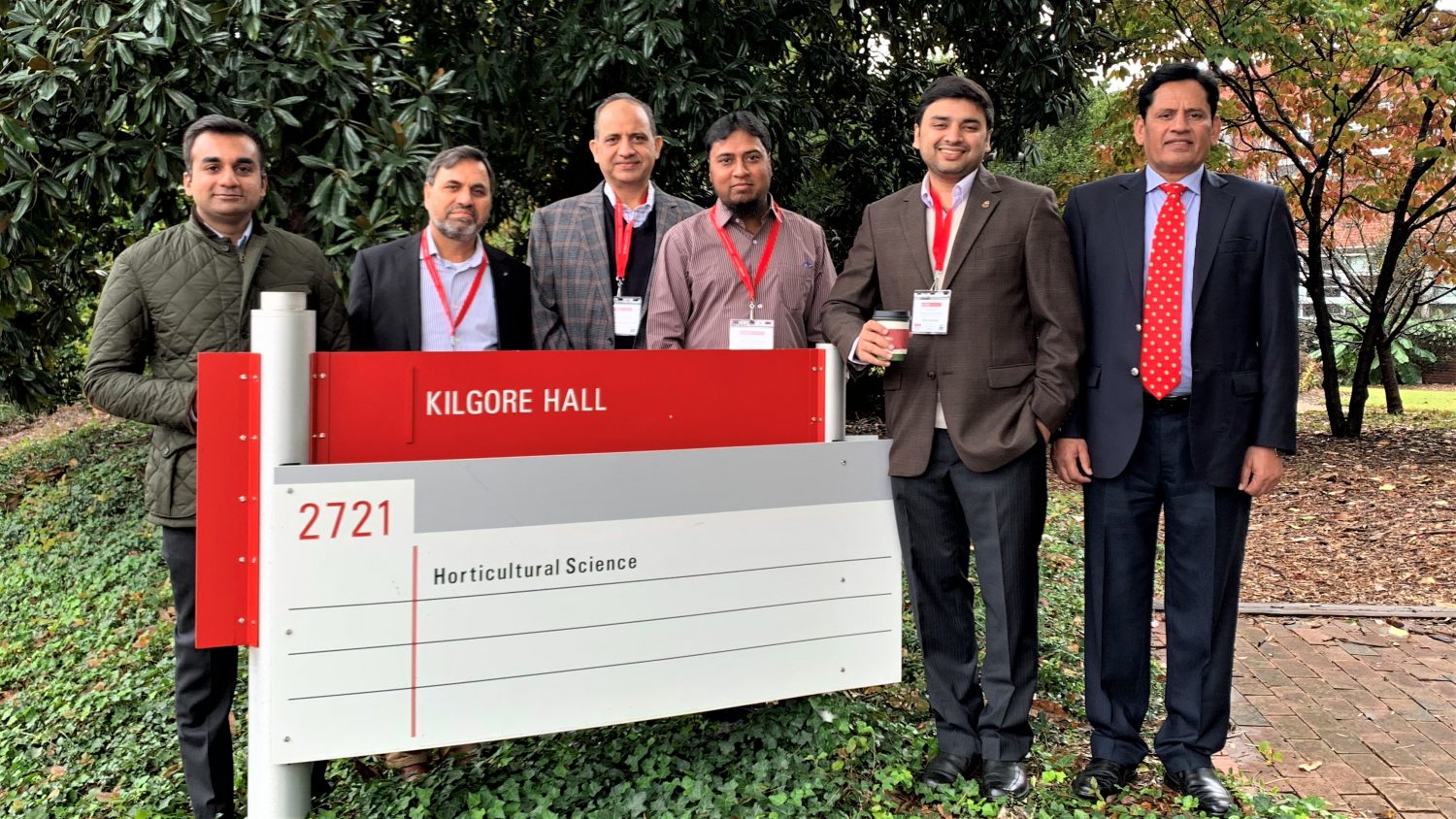
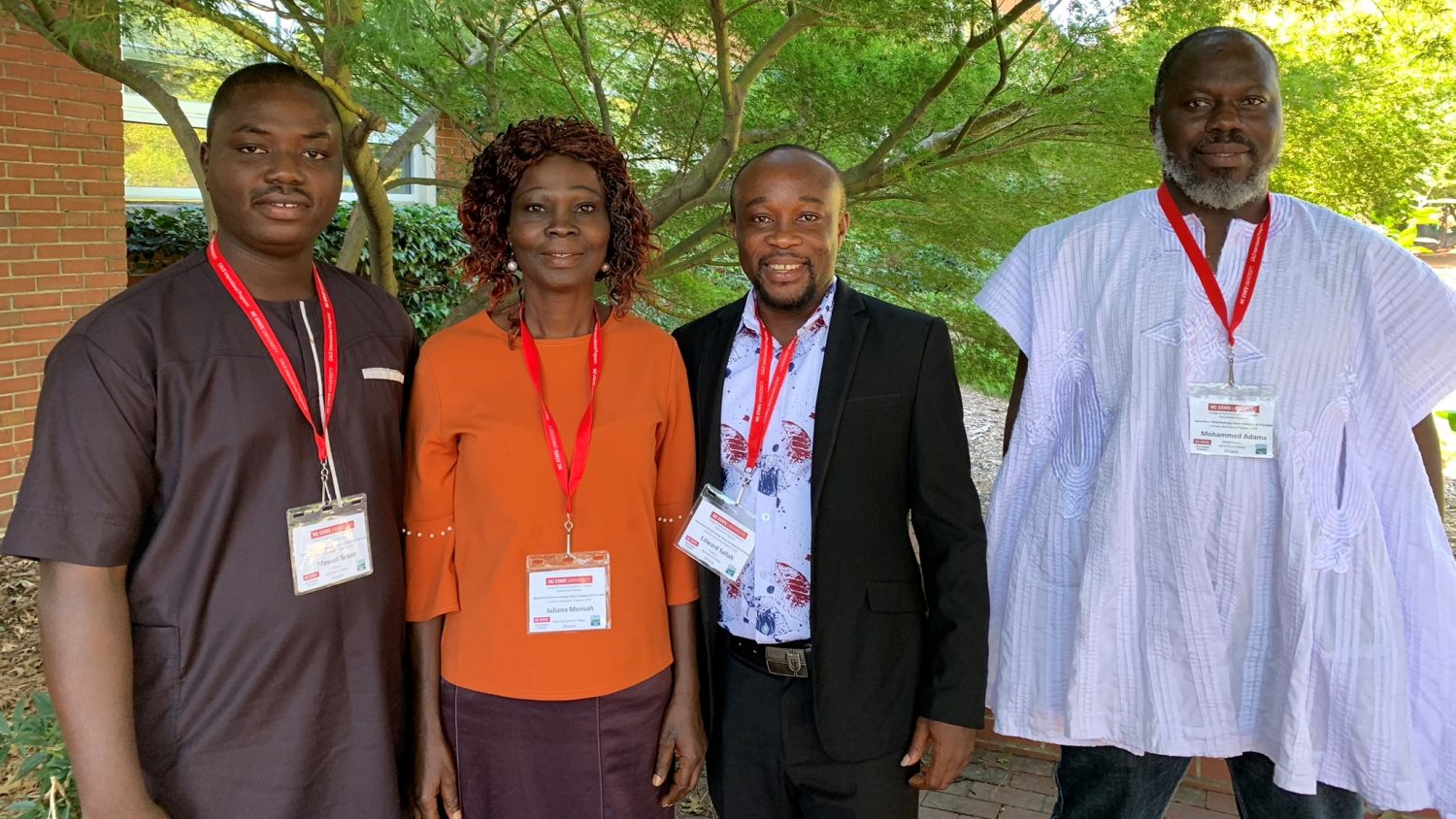
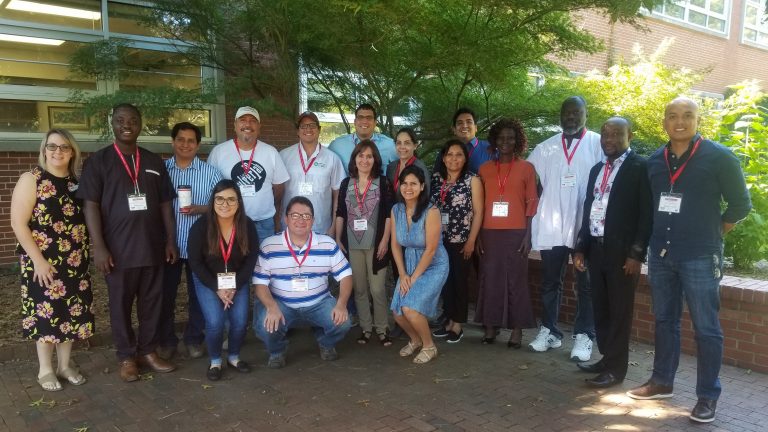
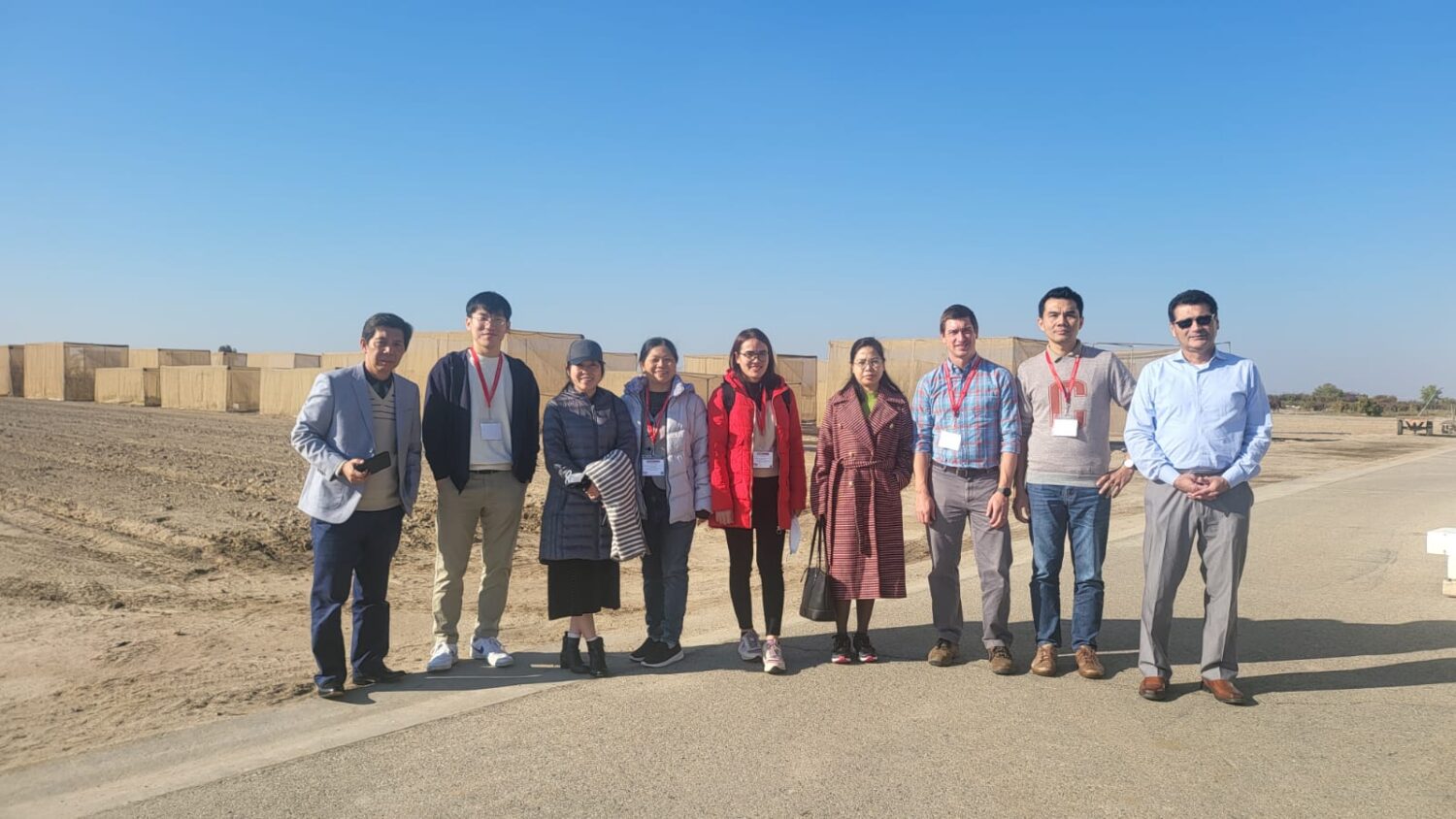
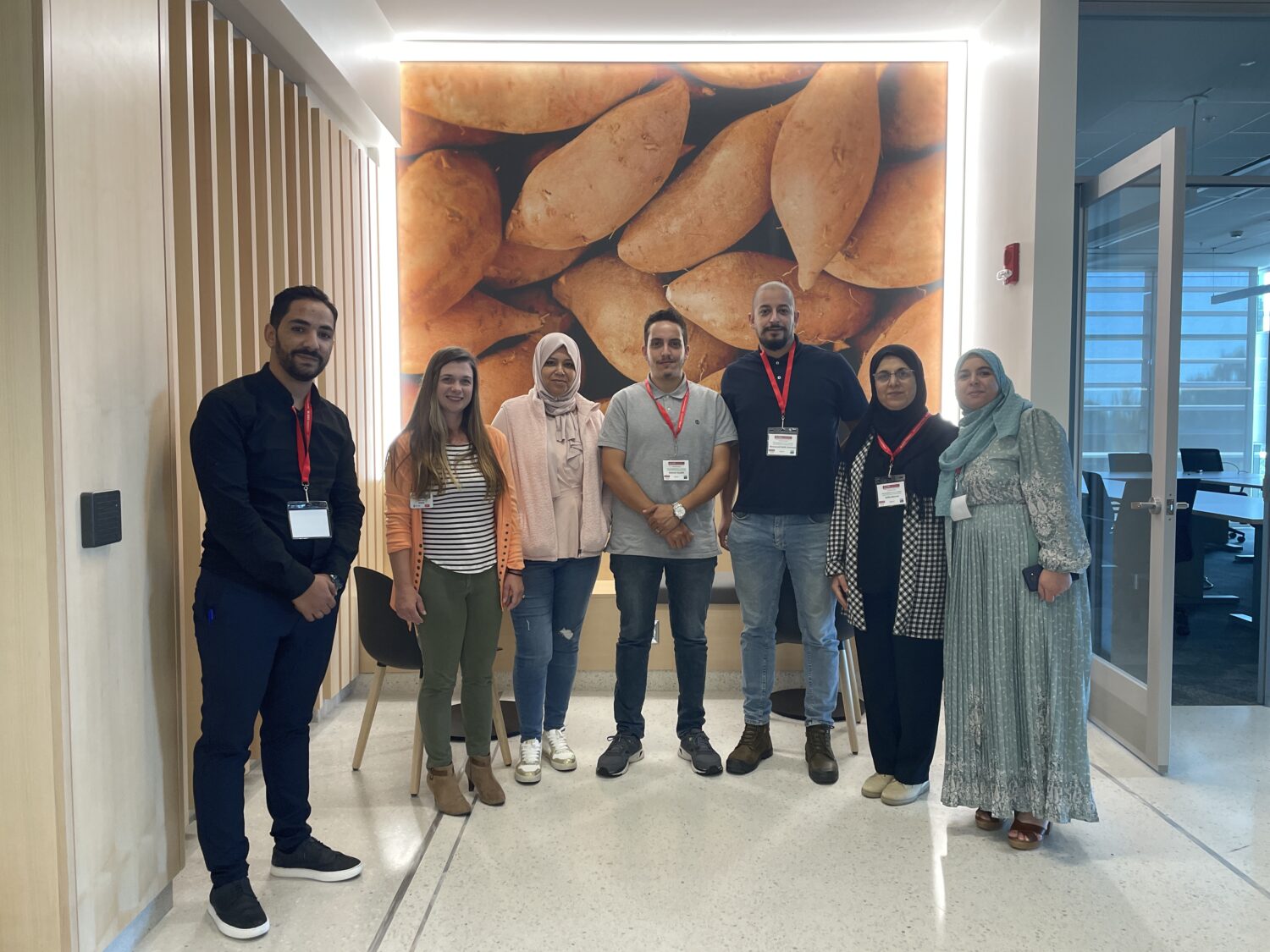
Global Academy has held an assortment of trainings throughout the of the years, hosting various scientists and professionals from around the globe.  Throughout all the Global Academy trainings, fellows travel around North Carolina and/or the country meeting with experts to discuss the training topic so they can return to their home country to make trade decisions, impact policies, and further spread sound scientific knowledge.
Turkey Cochran: Agricultural Biotechnology

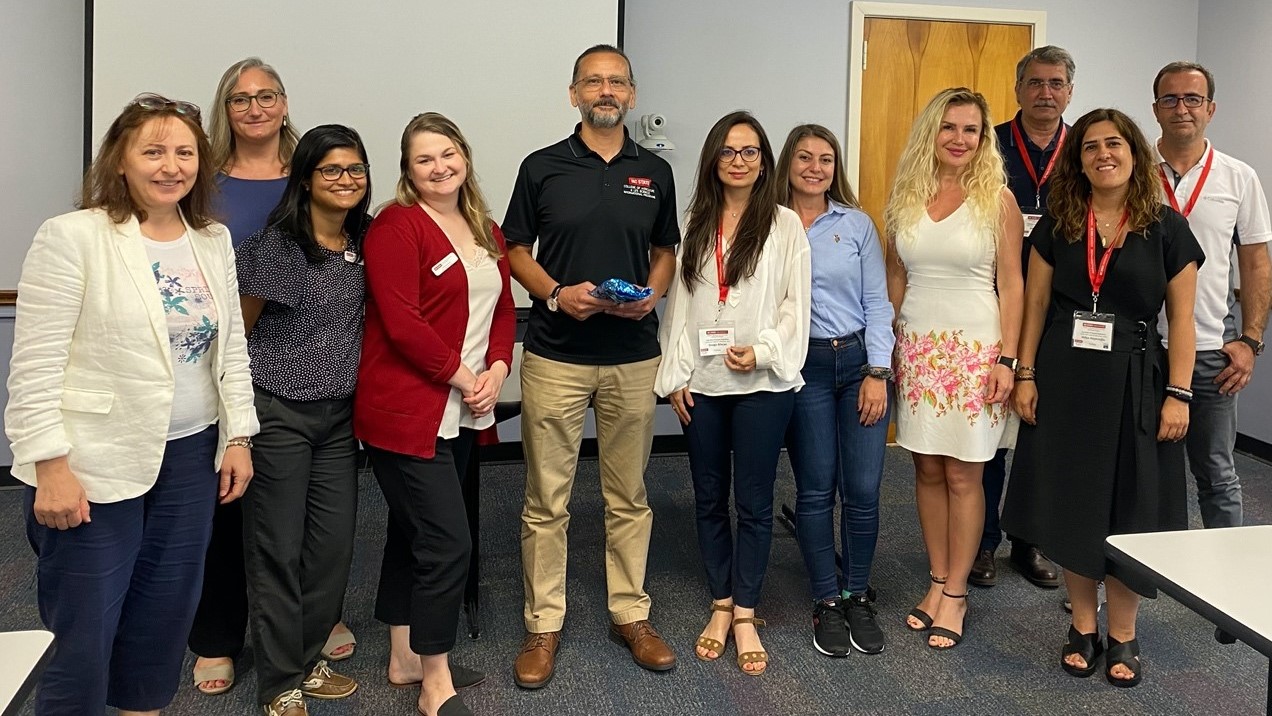
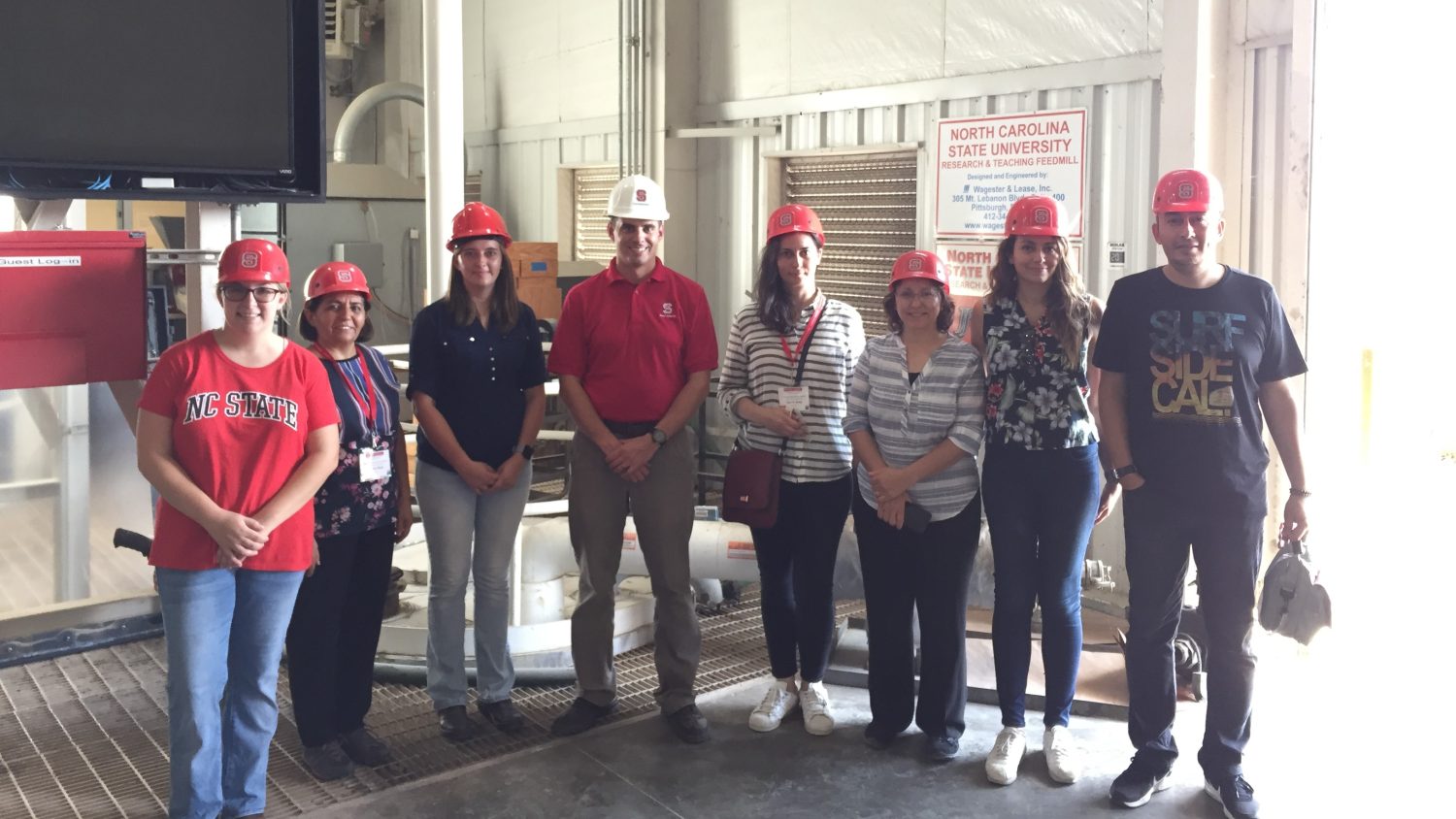
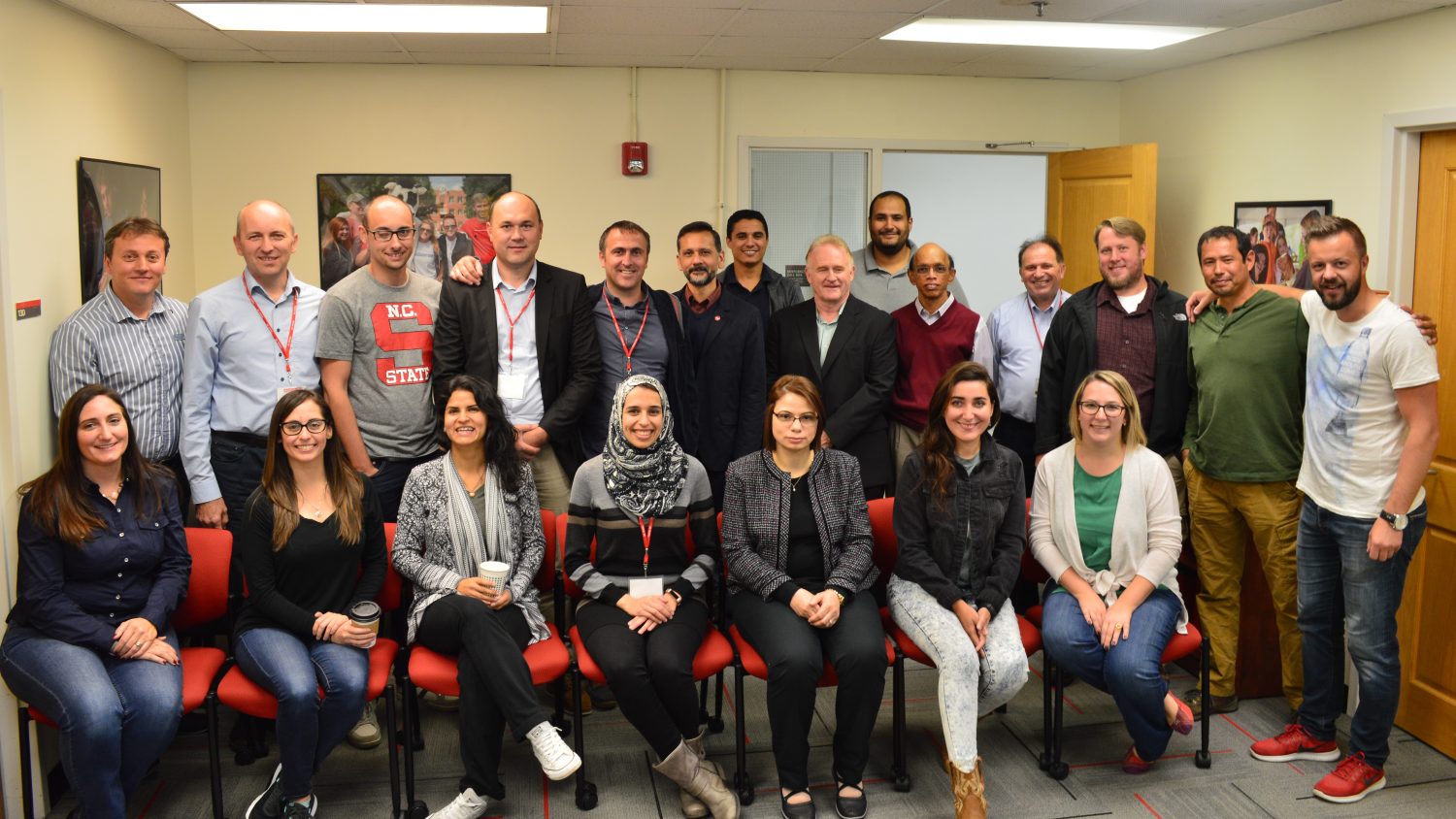
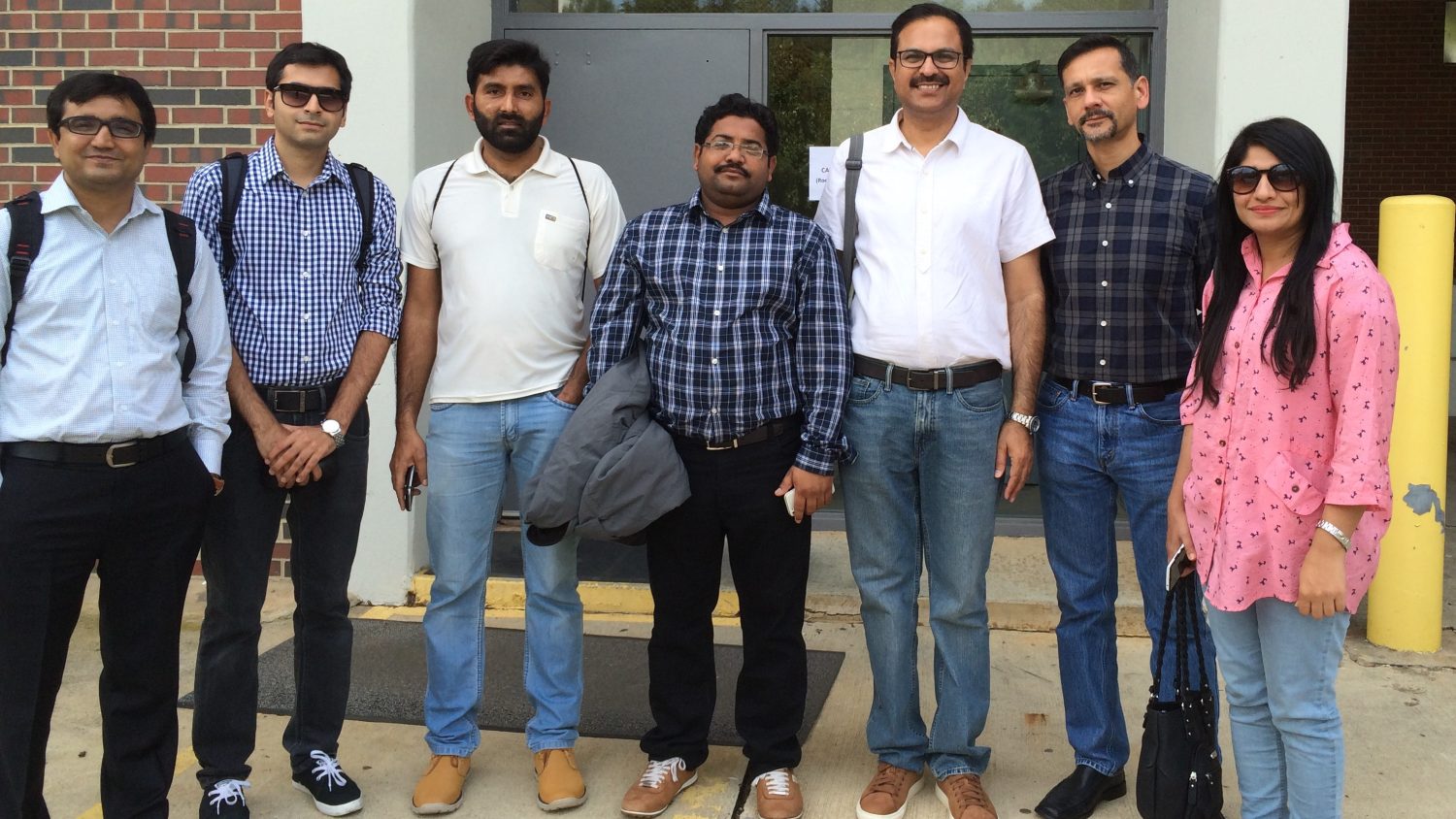
A group of seven agriculturists from Turkey participate in a two-week training program in the area of agricultural biotechnology, developed by CALS Global Academy in conjunction with NC State’s Genetic Engineering and Society Center (GES). The involvement of GES, co-chaired by Dr. Fred Gould and Dr. Jennifer Kuzma, allowed us to involve lecturers with a diverse background who are experts in communicating about biotechnology. In order to provide the fellows with a multitude of perspectives on agricultural biotechnology, the use of lectures, industry visits, and field experiences was carefully balanced. The program consisted of a diverse group of lecturers spanning eleven departments representing three different colleges.
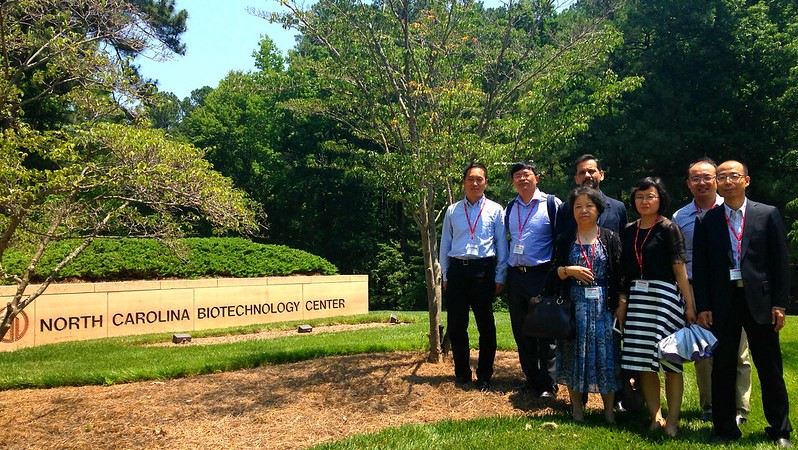
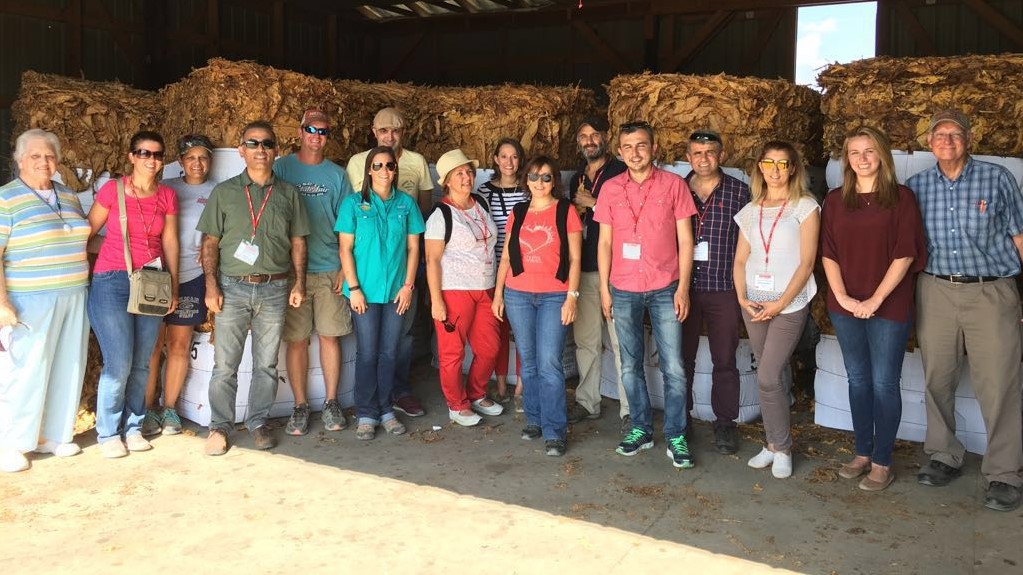
This assorted group of esteemed faculty lecturers allowed the fellows to learn about the scientific, economical, and political aspects of biotechnology as well as learned effective strategies to communicate with the public and private sectors on issues related to agricultural biotechnology. The benefit that the industry and field visits offered is that the group was able to observe and engage with industry experts and their NC farming counterparts. Industry visits to Syngenta, BASF, and the NC Biotechnology Center allowed the fellows to learn about the effort required to create their products as well as their environmental and economic impact. The fellows also visited two family farms that have incorporated biotechnology crops. These visits allowed the group to get a farmer's perspective on the impact that the implementation of these crops had on their day-to-day operations. The fellows were also able to ask questions related to pesticide use and using GMO crops in rotation with non-GMO crops.

China Cochran: Swine Genetics and Production

May 31 – June 13, 2015

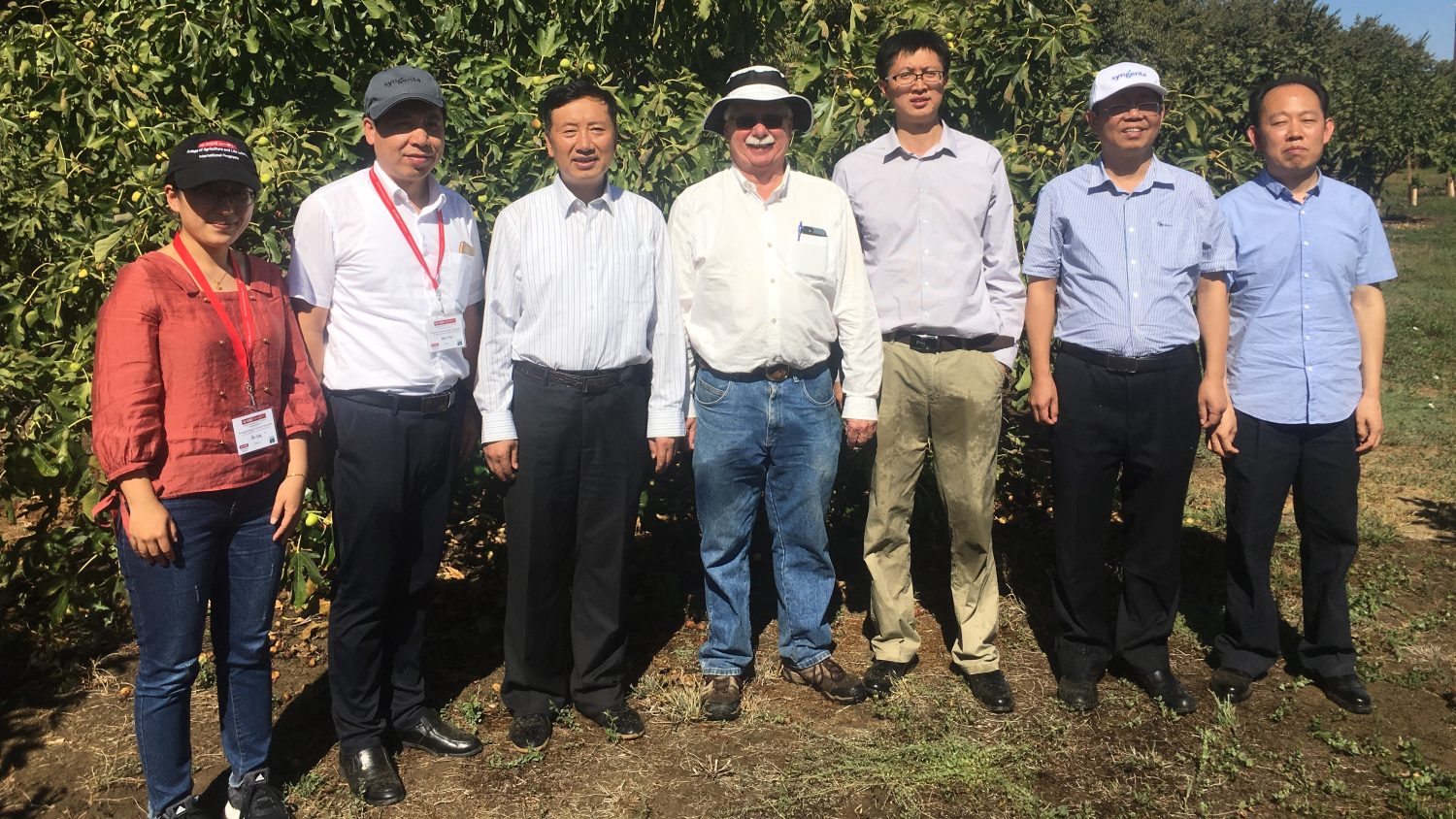
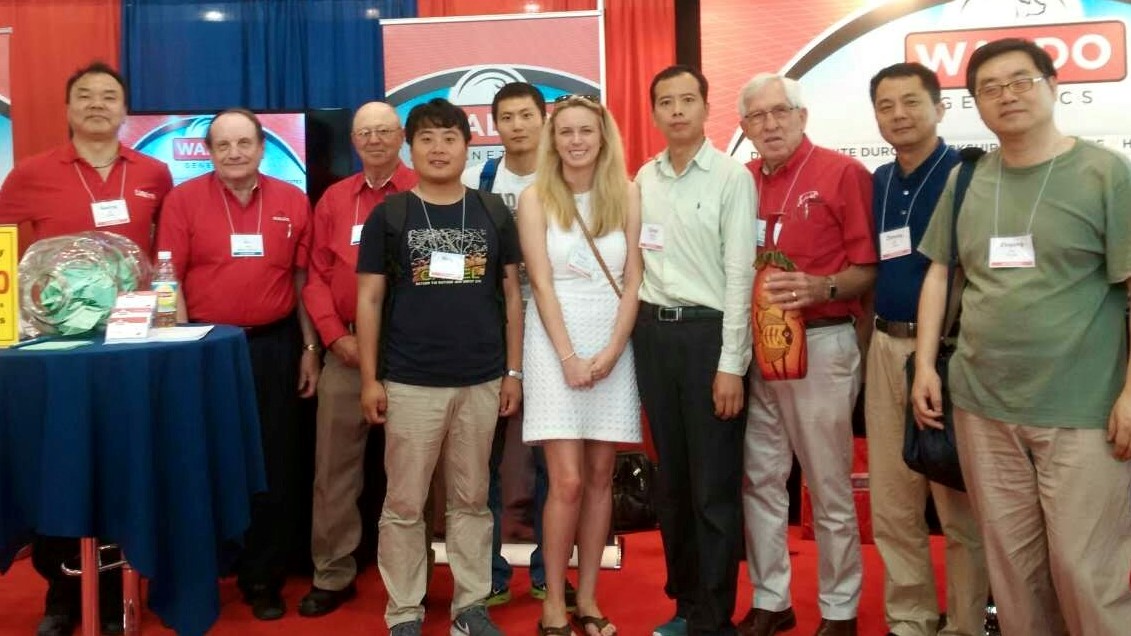
During the training, the group was able to engage in a variety of activities related to US swine practices. In order to give them a broad educational experience, the fellows traveled to the two largest swine producing states; Iowa and North Carolina. While in North Carolina, the group underwent educational seminars provided by North Carolina State University, toured swine genetic companies, and visited swine research farms. In Iowa, they attended the World Pork Exposition which is an event that attracts several international vendors and swine breeding companies. While in Iowa, the group was able to tour and speak with vendors, attend seminars, watch pig shows, and engage with a large variety of swine genetic providers. Over the course of the two week training, the group attended educational seminars provided by university professors and industry leaders. These educational seminars consisted of talks and discussions about swine genetics, problems currently facing the swine industry, and swine nutrition. In addition to the two seminars and group discussion presented by N.C. State professors, the group was able to hear from several professors from different U.S. universities at the World Pork Expo. One seminar of particular interested was presented by Dr. Safranski from the University of Missouri which covered seasonality and the impact it is has on reproductive efficiency.