SUMMER 2026
Joy Othoo
Bridging Continents Through Agriculture: My Research Pack Abroad Experience at the World Vegetable Center–Kenya
This summer, I had the privilege of spending three months in Nairobi, Kenya, as a Research Pack Abroad intern with the World Vegetable Center–Kenya. This internship opportunity seamlessly blended my academic pursuits with my personal ties to Kenya, as I am both a recent NC State graduate with a B.S. in Agroecology and Sustainable Food Systems: Urban Horticulture and a first-generation Kenyan American. It allowed me to explore how agricultural research, extension, and community partnerships collaborate to enhance food systems while linking the two places I proudly call home.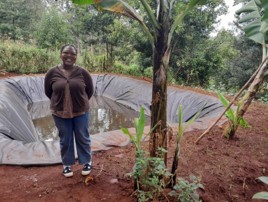
Throughout the internship, I worked alongside researchers, extension professionals, and community partners on projects designed to improve agricultural sustainability and farmer livelihoods. A significant portion of my work focused on the Black Soldier Fly (BSF) Farming Pilot Program, regenerative agriculture, and postharvest management initiatives. During field visits, I assisted with setting up BSF biopods at pilot sites, engaged farmers and students through assessment questions, documented project activities, and conducted background research on postharvest management practices, composting initiatives, and agricultural markets in Kenya. These experiences gave me a firsthand view of how research is translated into practical solutions that communities can adopt and sustain.
One of the most valuable aspects of the internship was observing the close relationship between research and extension. Whether working with schools participating in the BSF pilot program or engaging farmers during regenerative agriculture and postharvest management training, I saw how scientists, extension professionals, educators, and community members collaborated to ensure research findings were practical, accessible, and responsive to local needs. This experience reinforced the importance of participatory approaches that engage stakeholders throughout the research and implementation process, creating solutions that are both scientifically sound and locally relevant.
Beyond technical knowledge, this internship broadened my perspective on the similarities between agricultural systems in Kenya and the United States. The greatest takeaway from my internship was recognizing the potential for continued collaboration between North Carolina State University and the World Vegetable Center. Shared research interests, complementary expertise, and a common commitment to sustainable food systems create exciting opportunities for student exchanges, collaborative research, extension initiatives, and capacity-building efforts that can benefit communities in both Kenya and the United States.
Looking back, this Research Pack Abroad experience provided far more than international research experience. It strengthened my understanding of how applied research, extension, and community engagement work together to improve agricultural livelihoods while reinforcing my commitment to a career that bridges scientific research with practical, community-centered solutions. As I continue my graduate studies and professional journey, I will carry forward the lessons I learned from the World Vegetable Center–Kenya and the people who made this experience so meaningful.